



What is Intumescent Paint
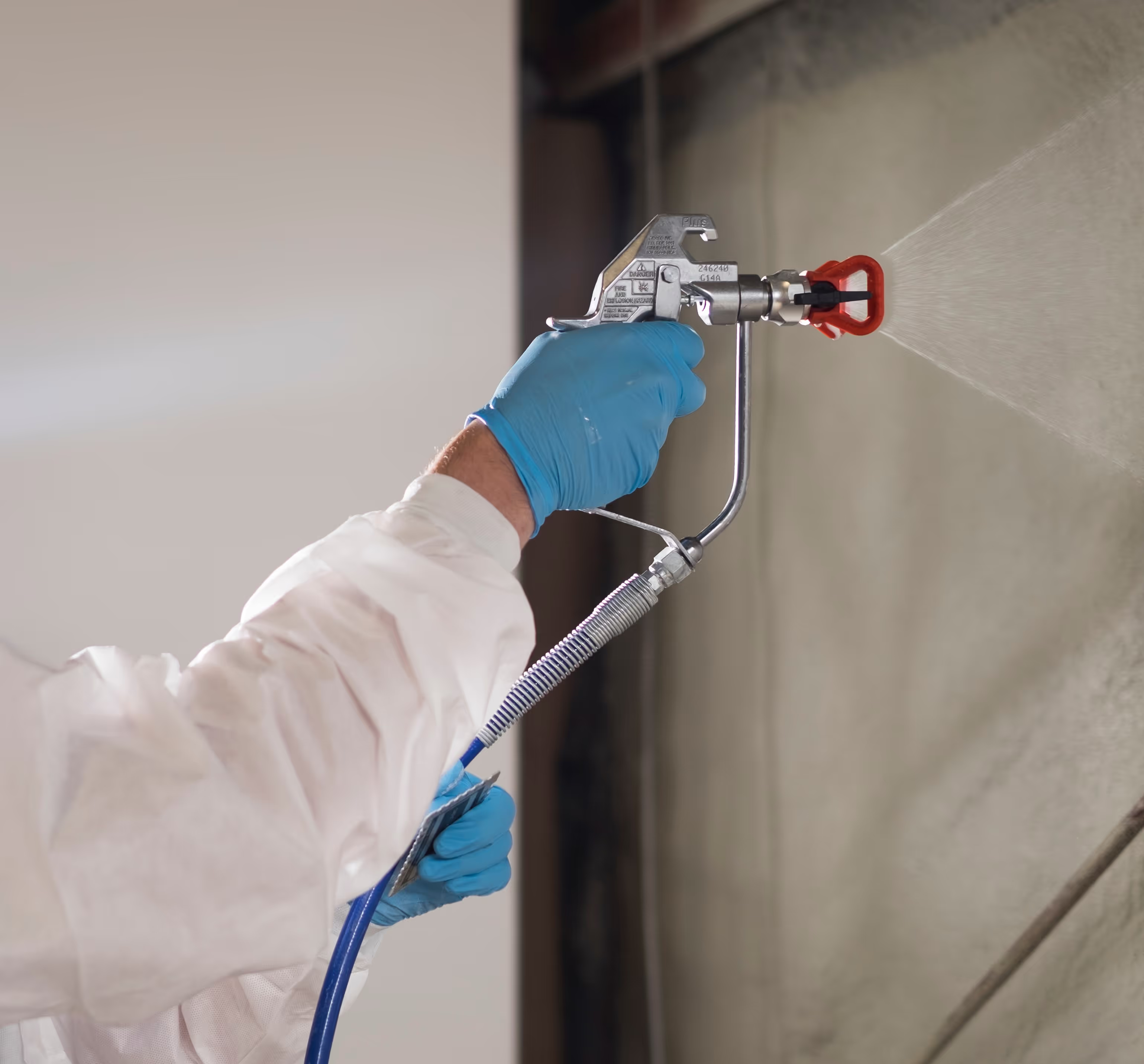
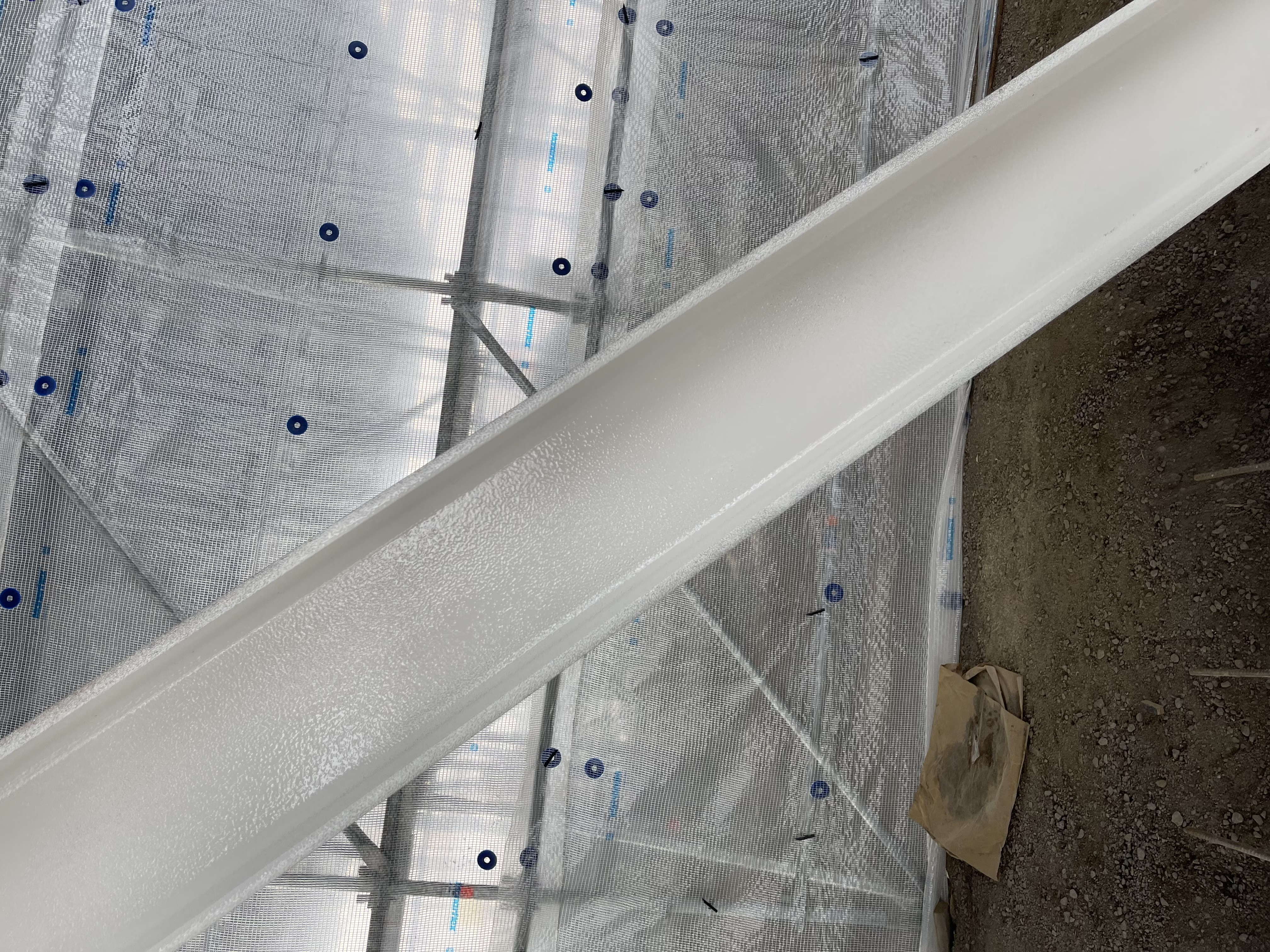
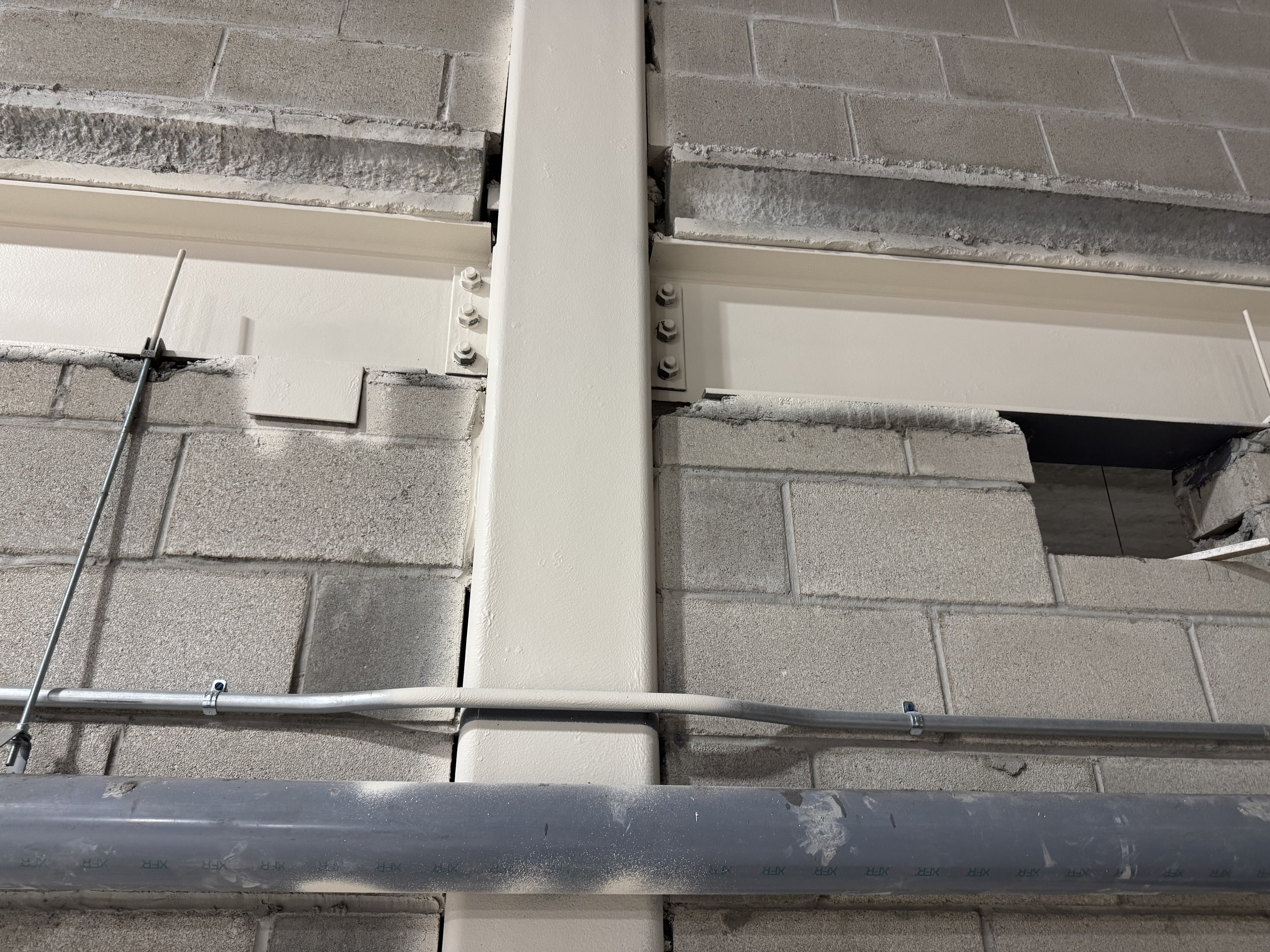
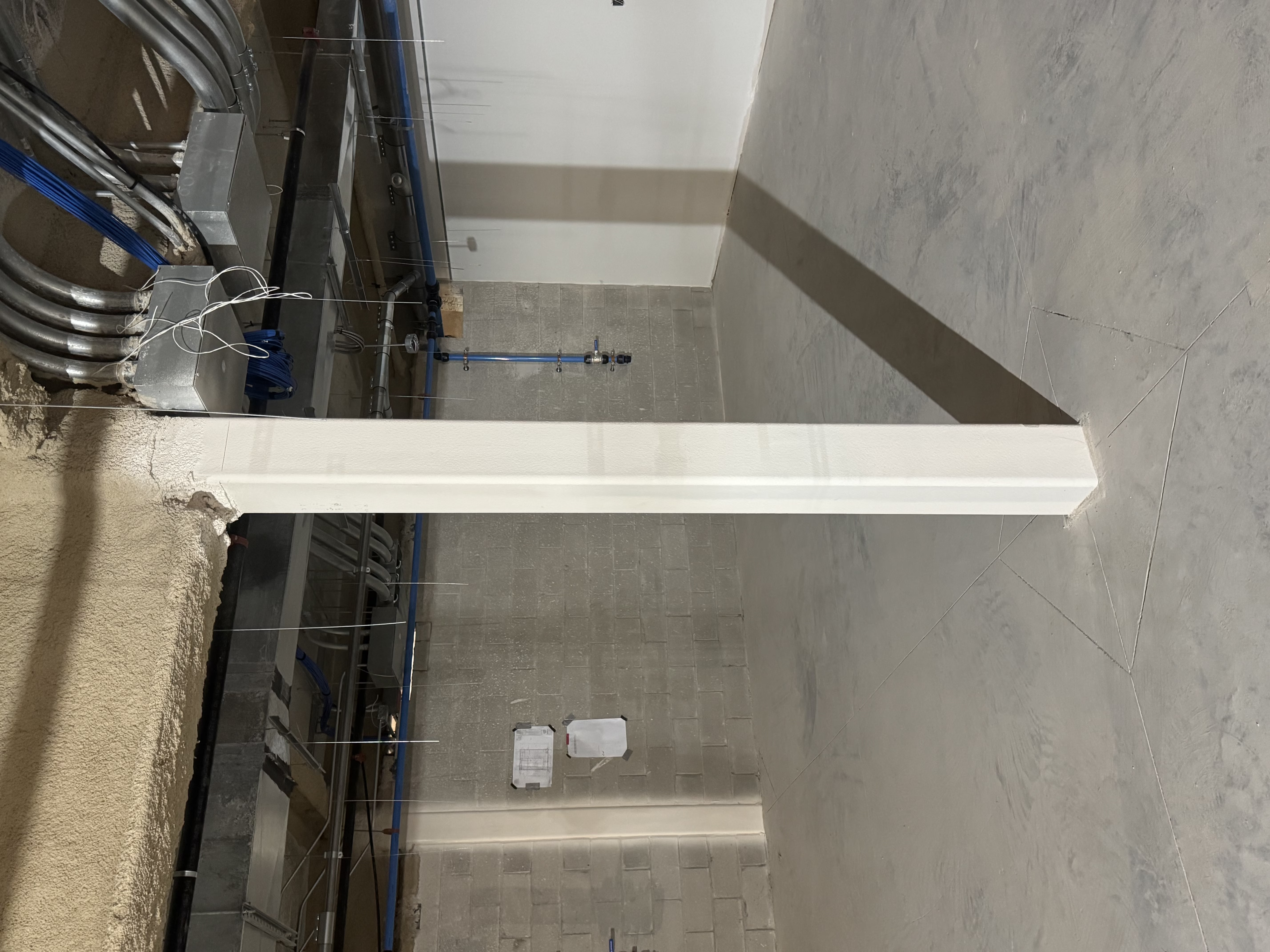
Intumescent paint is a type of fire-resistant coating paint that
is used to protect primarily structural steel and also fire
barriers in a wide range of other building materials like wood,
drywall, sprayed foam insulation etc. from the damaging effects of
fire.
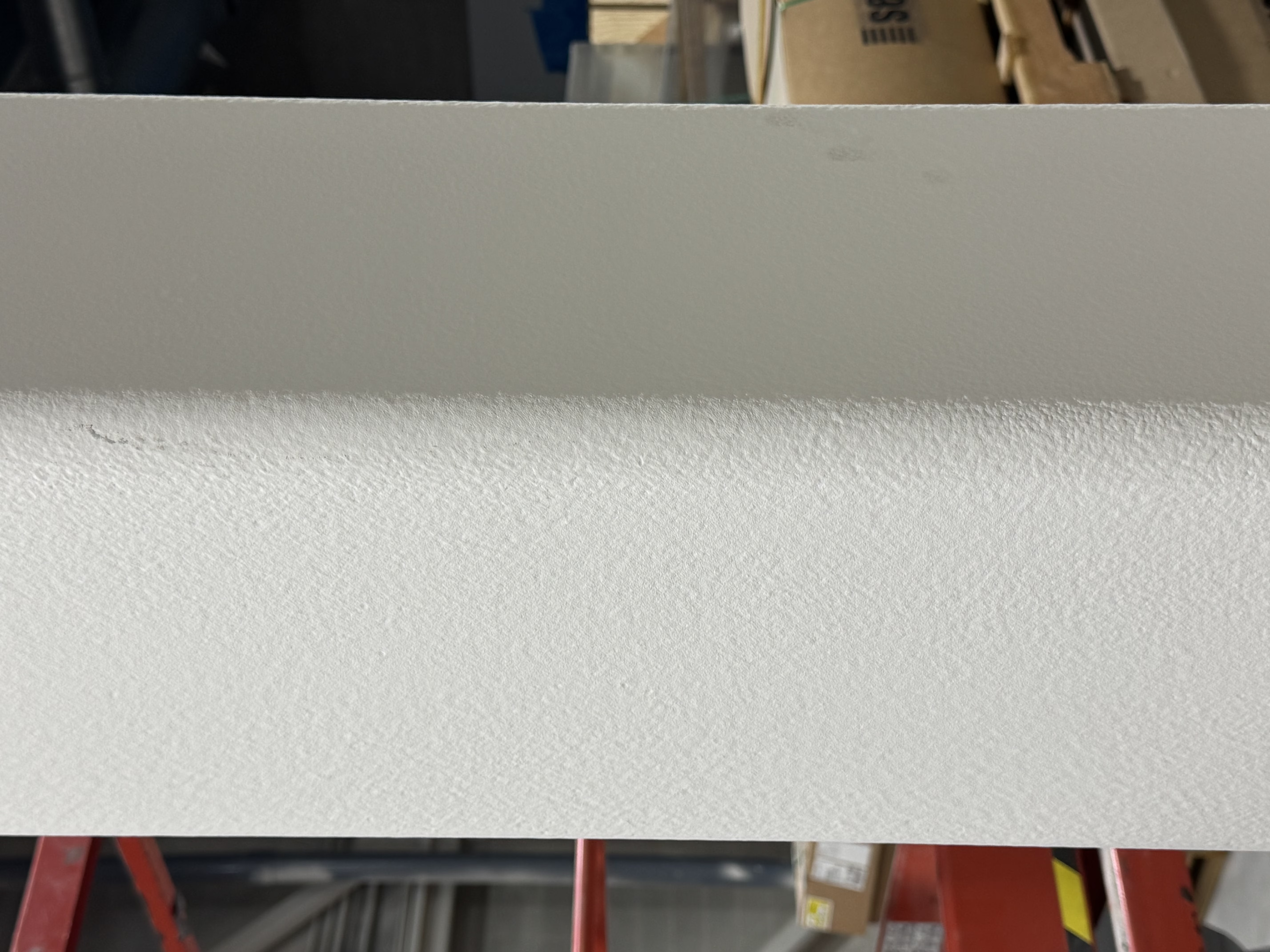
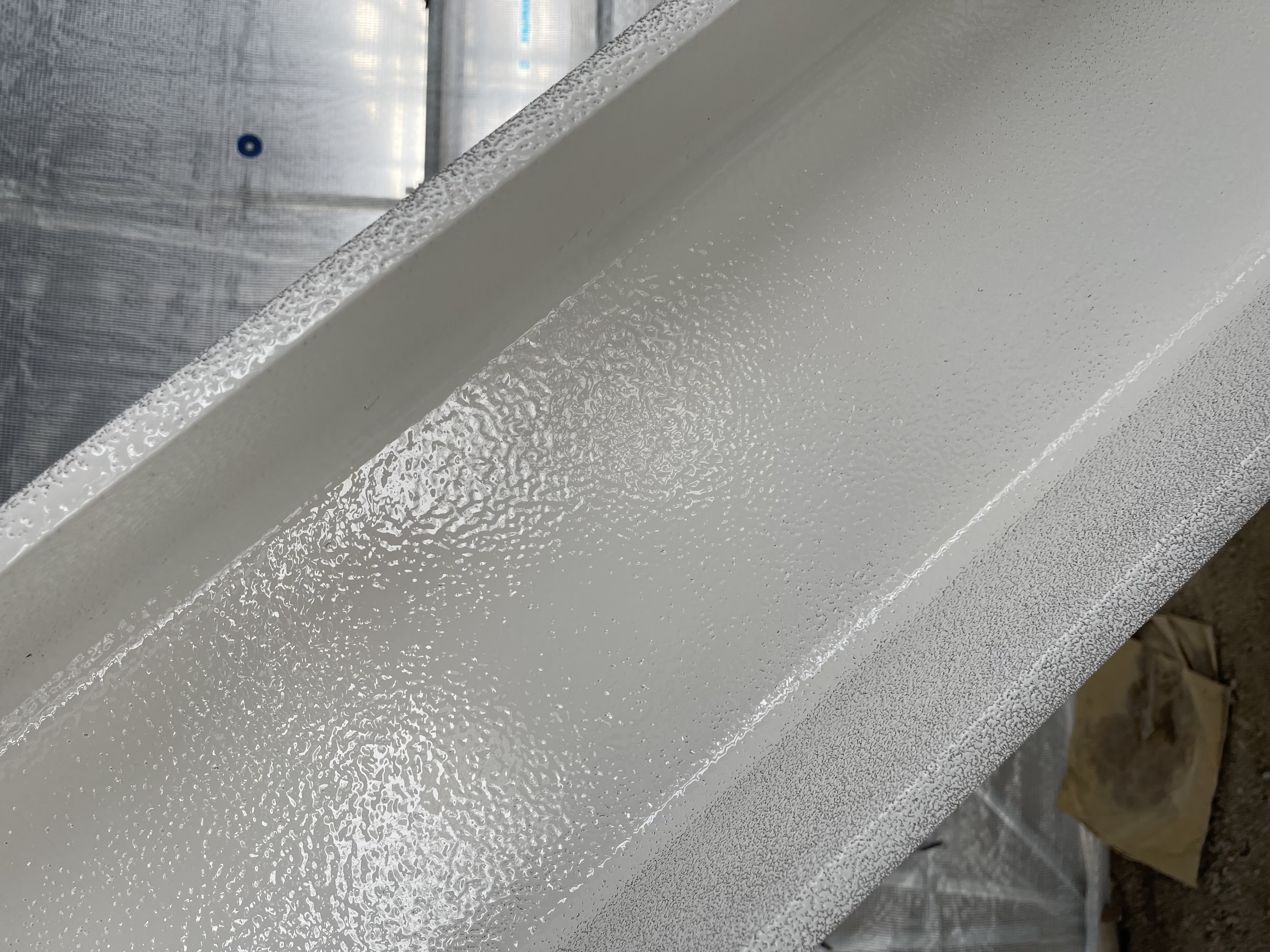
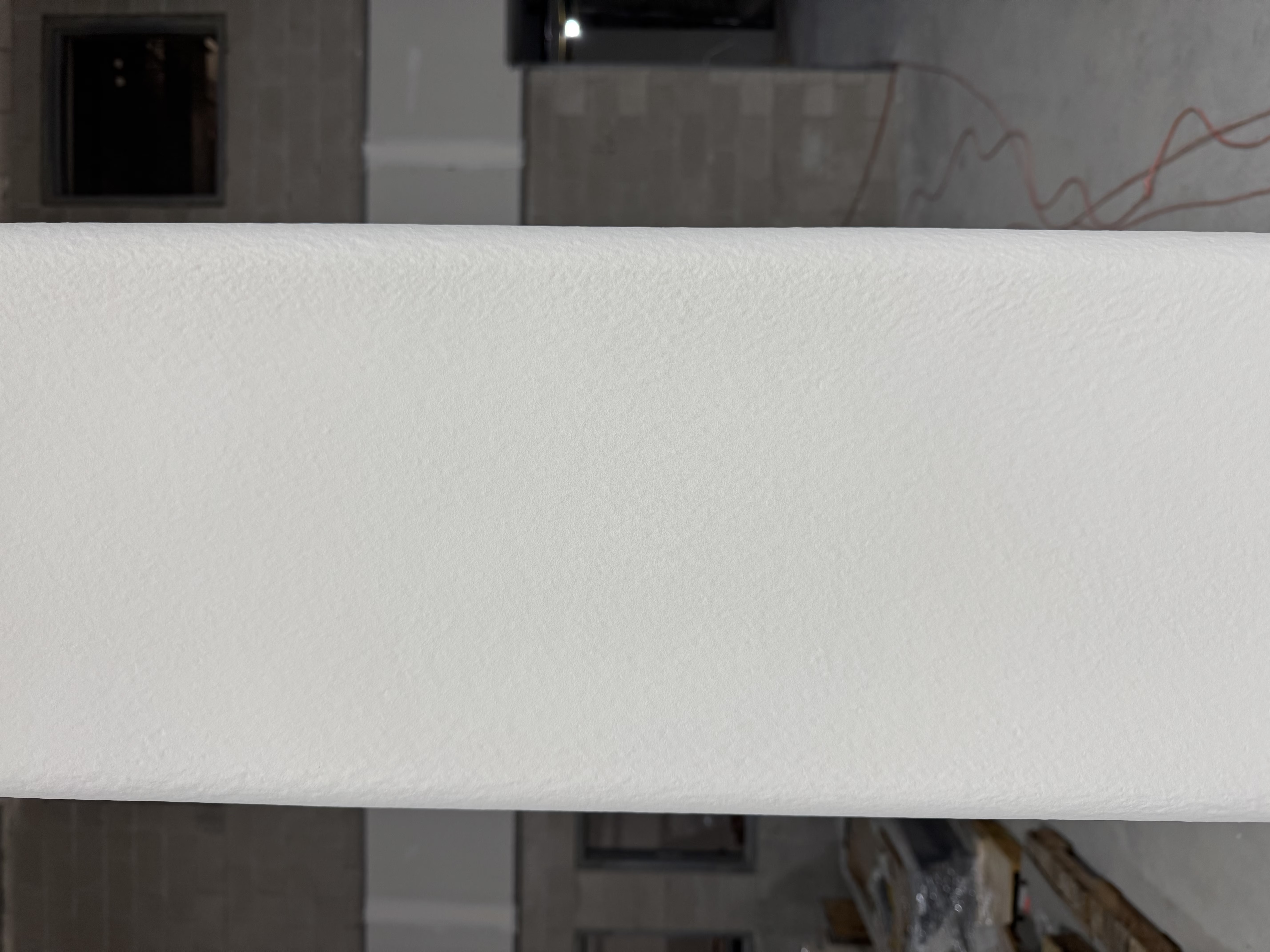
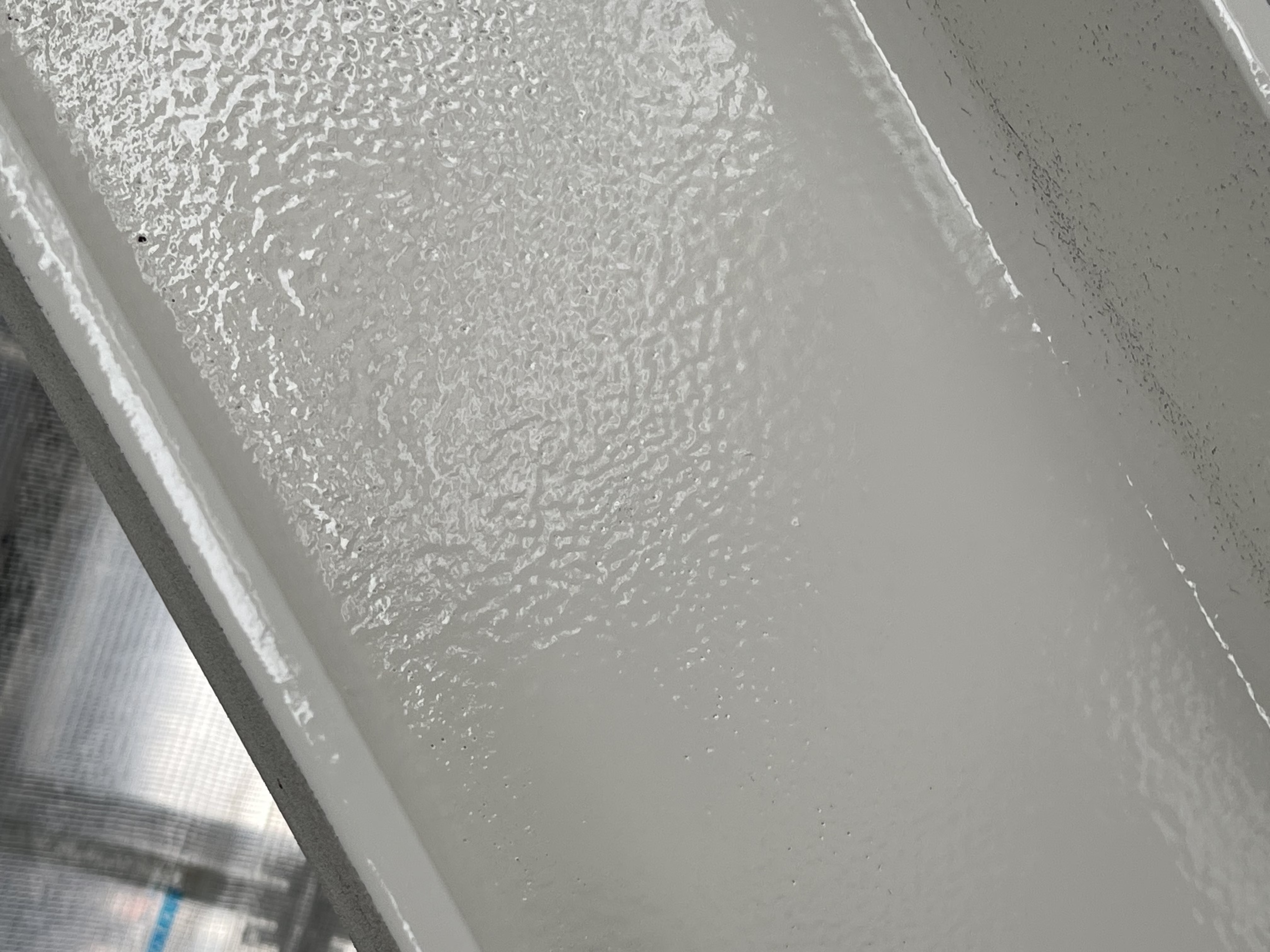
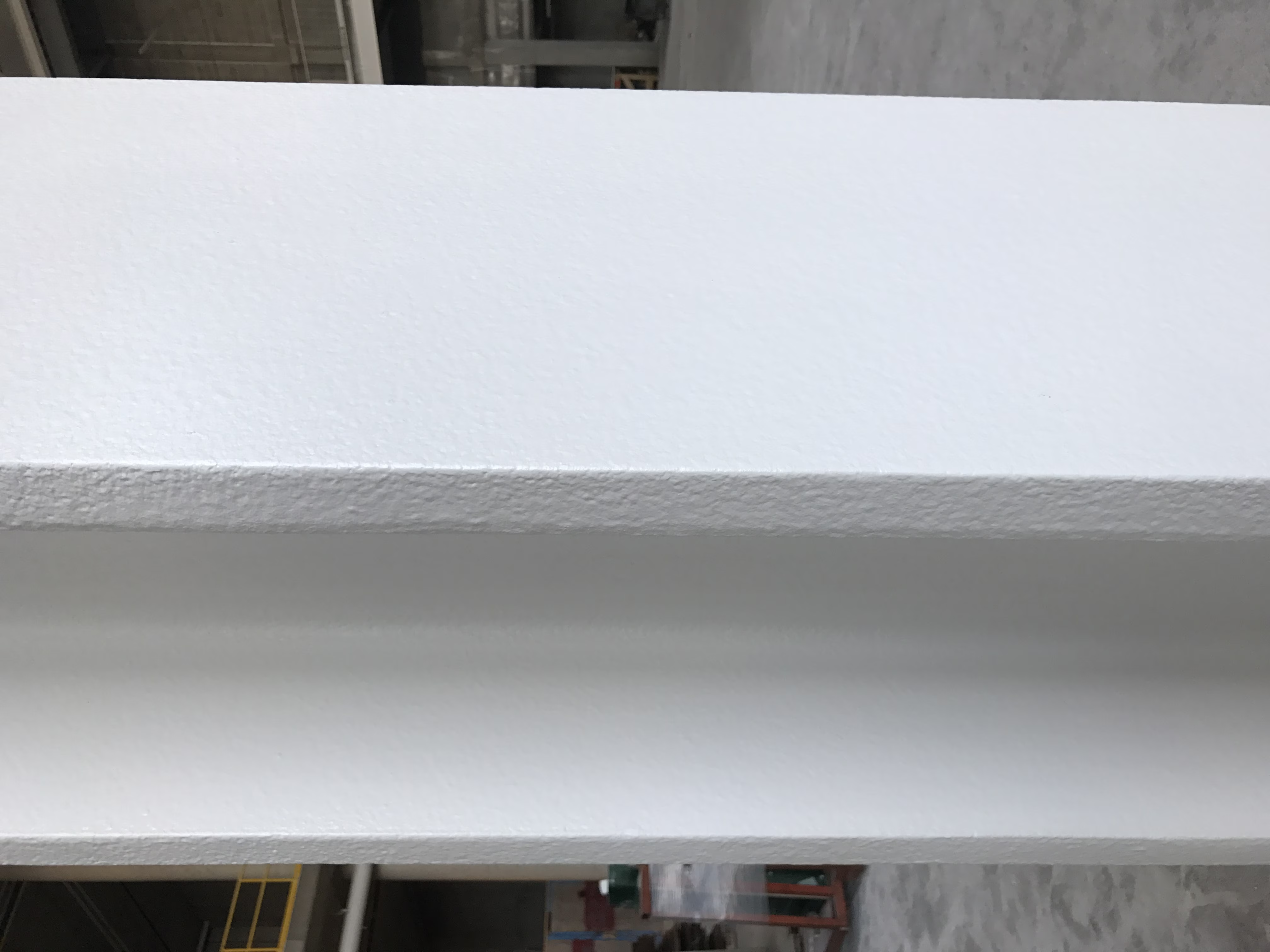
Engineered for performance and aesthetics, with interior and exterior applications and topcoat with unlimited colour options.
Engineered for performance and aesthetics, with interior and exterior applications and topcoat with unlimited colour options.

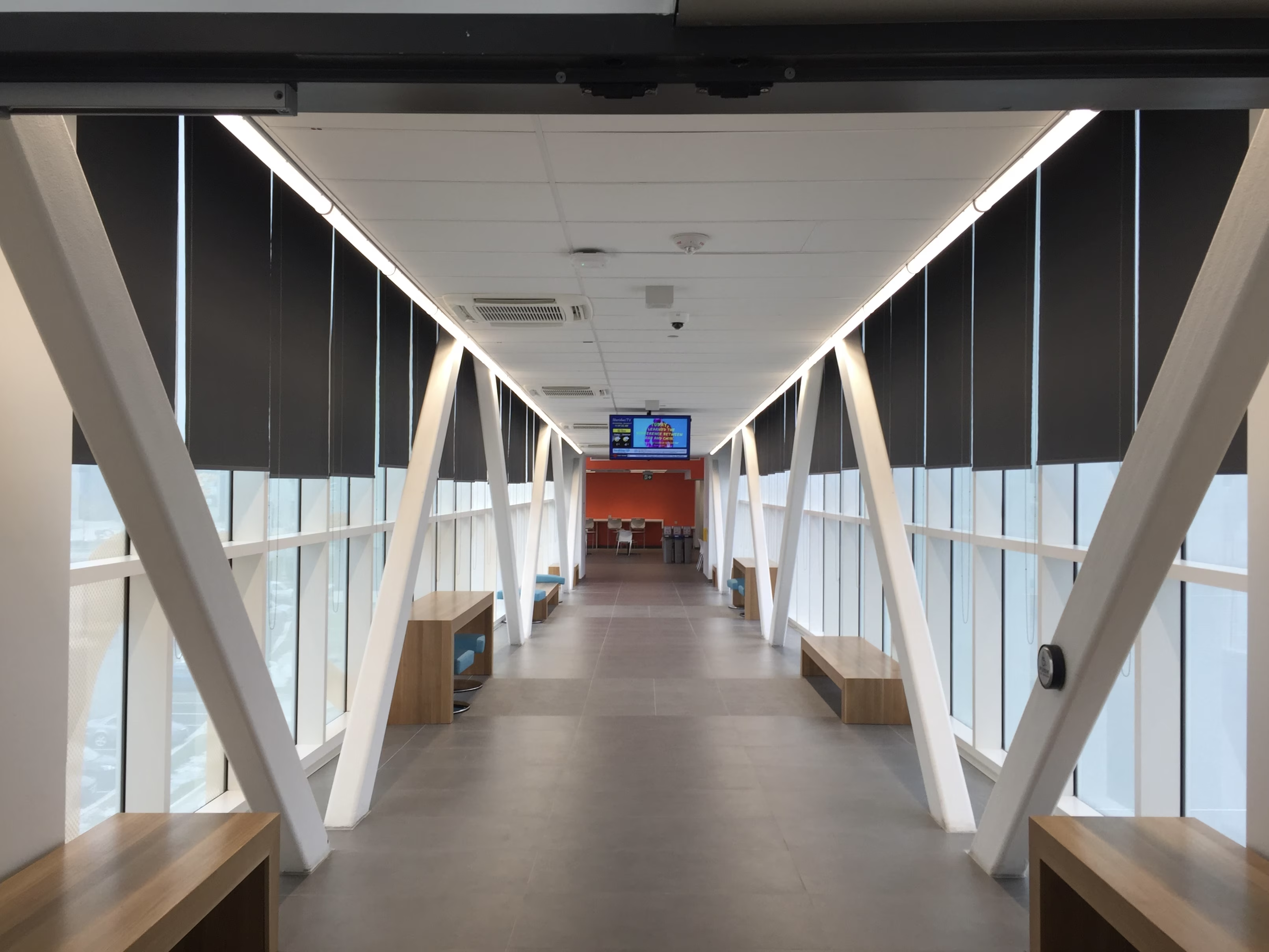
How it works
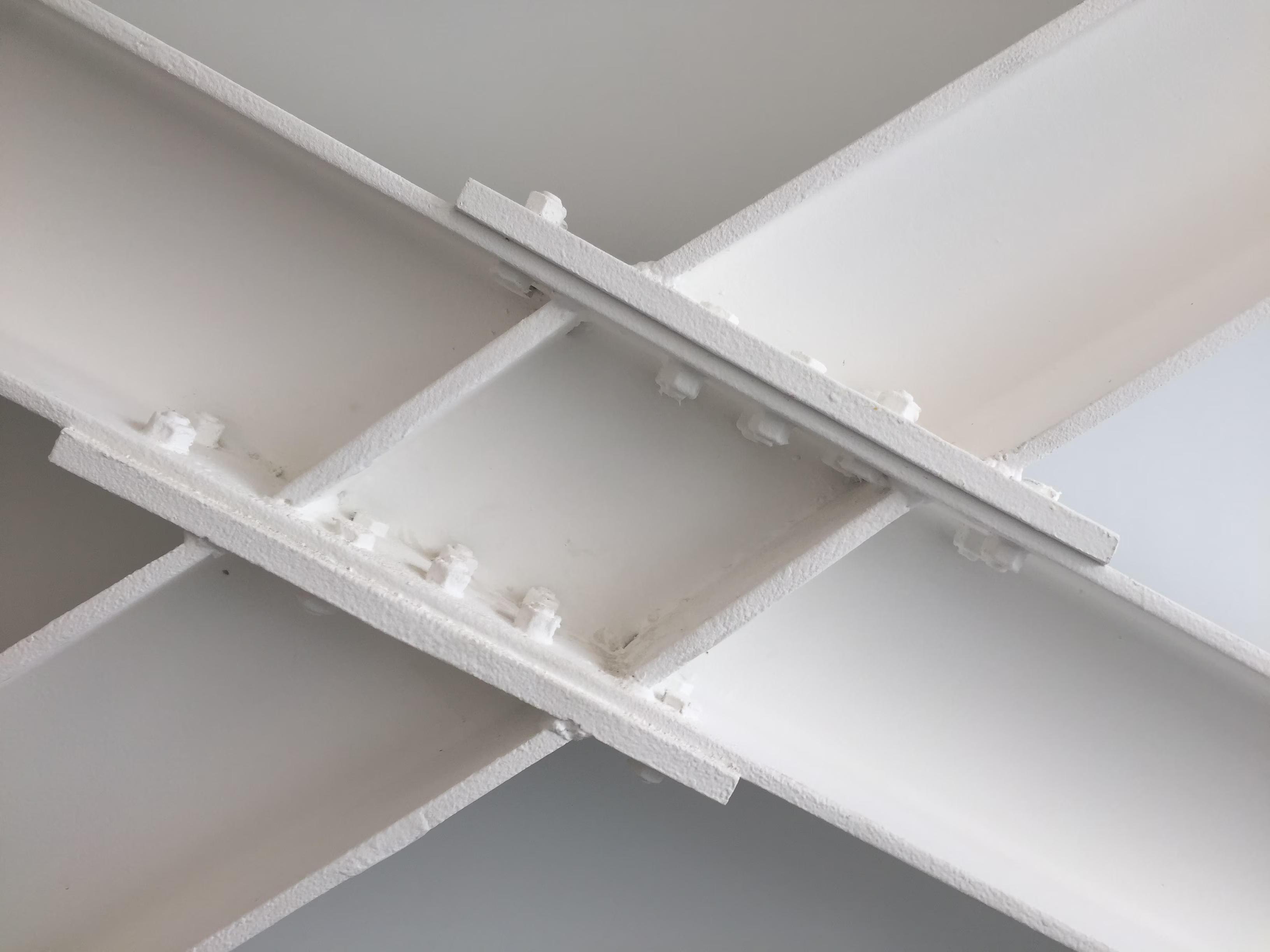
Intumescent paints contain a combination of chemicals that react
when exposed to fire or high temperatures, causing the paint to
expand and form a foam-like layer.
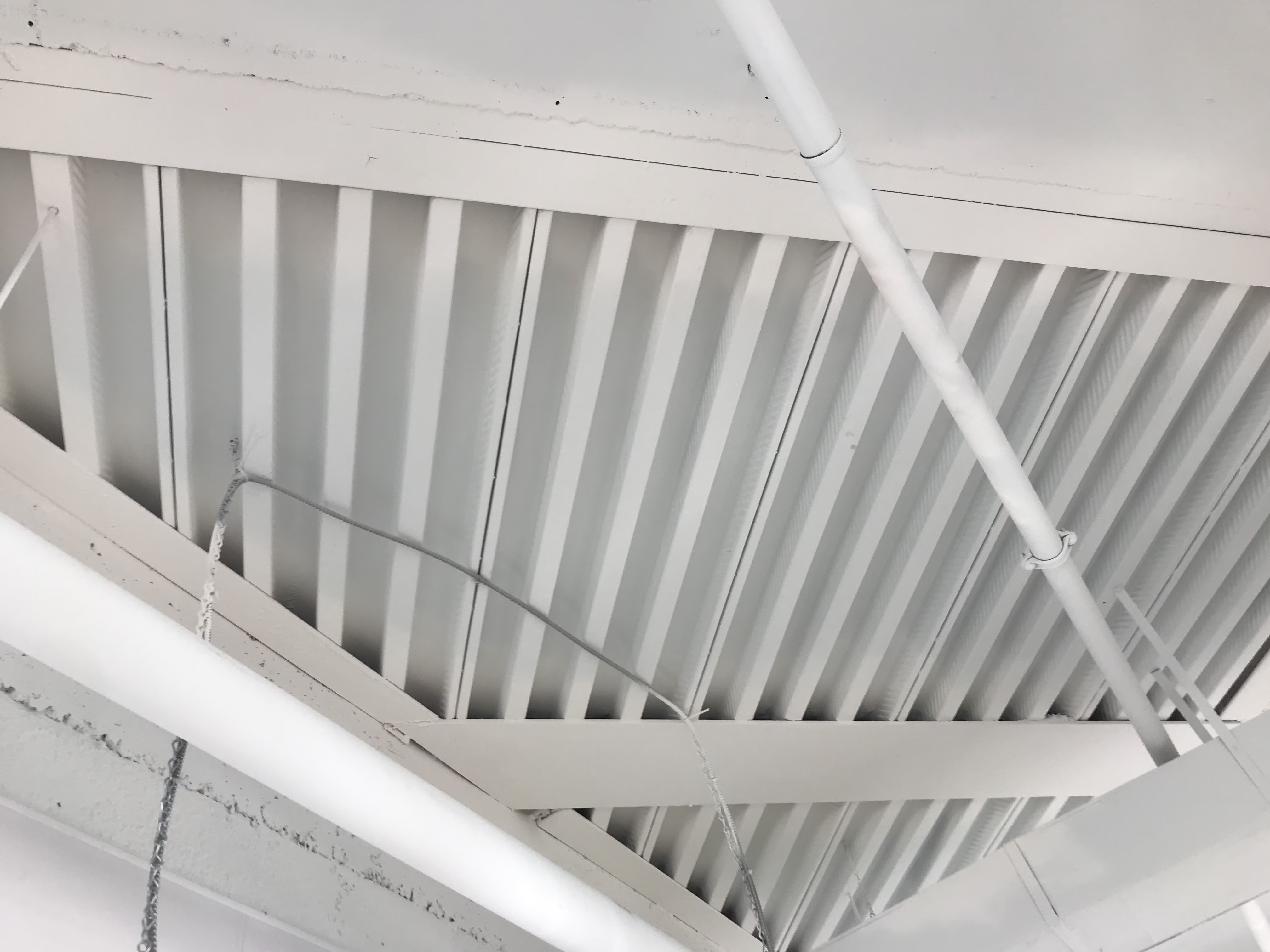
This layer is designed to insulate the underlying material from the heat of the fire, slowing down its spread and providing valuable time for people to evacuate the building. The thickness of the paint required will depend on the level of fire protection needed for the specific application.
This layer is designed to insulate the underlying material from the heat of the fire, slowing down its spread and providing valuable time for people to evacuate the building. The thickness of the paint required will depend on the level of fire protection needed for the specific application.
Applications of Intumescent Paint
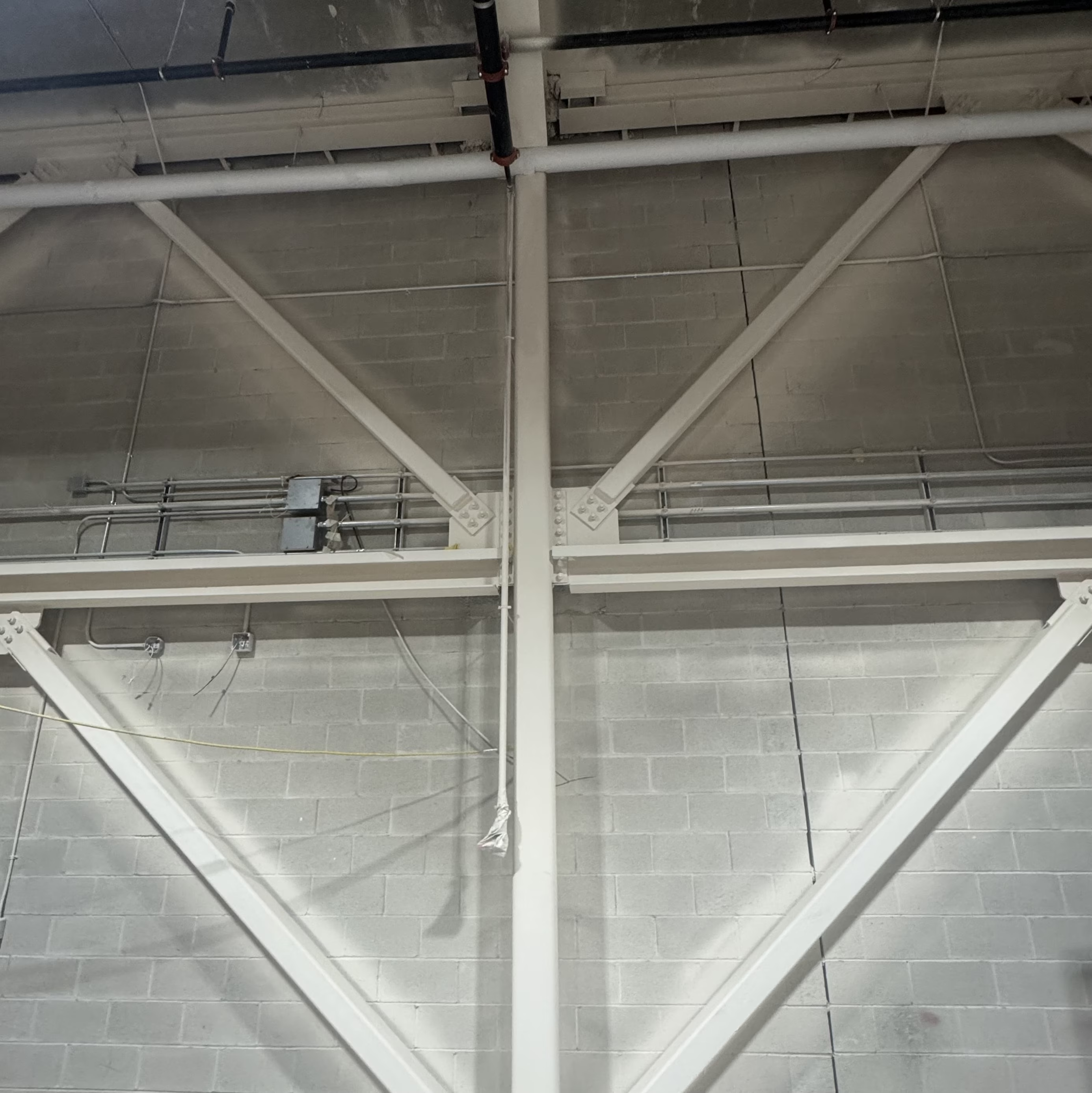
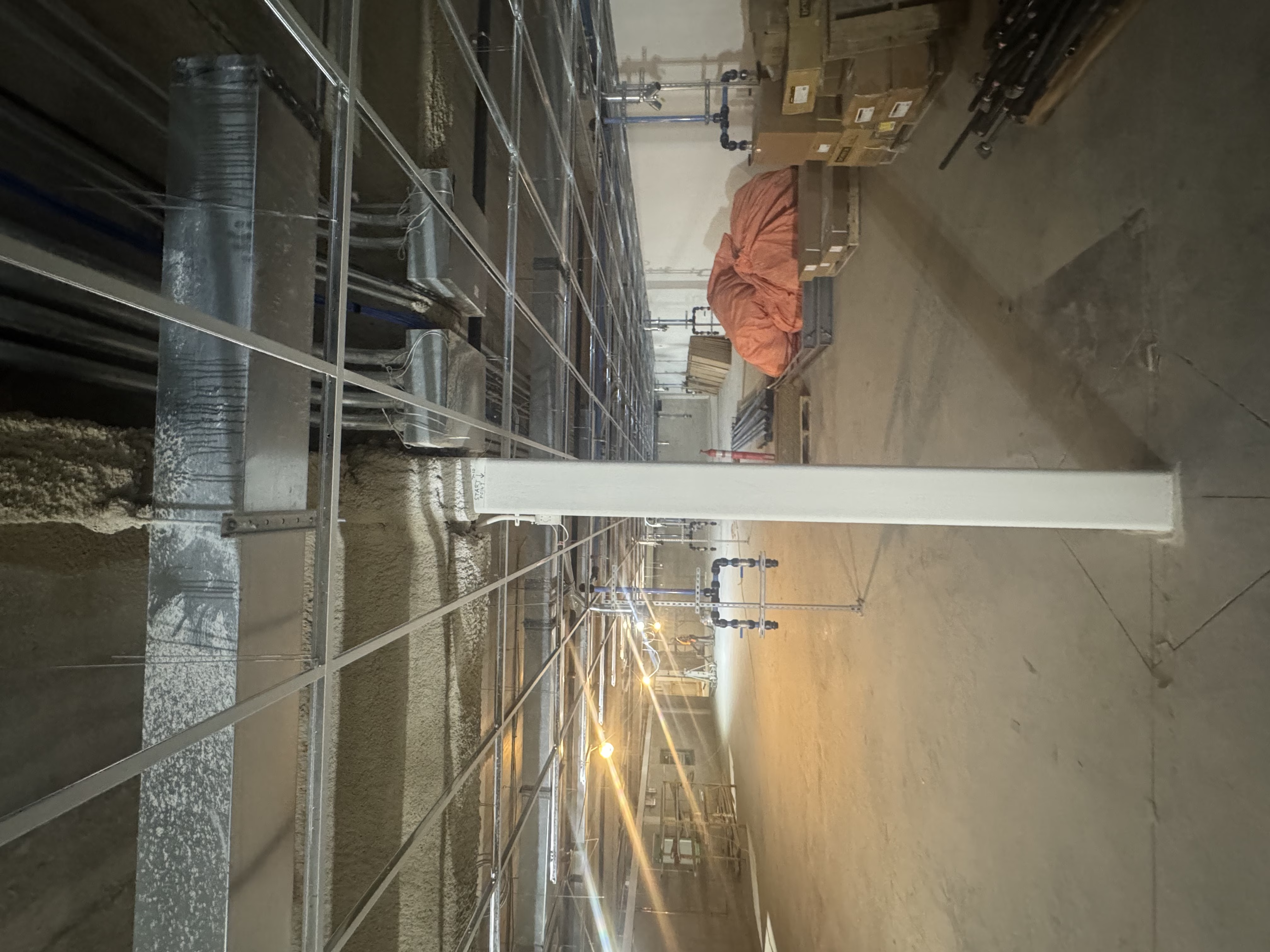
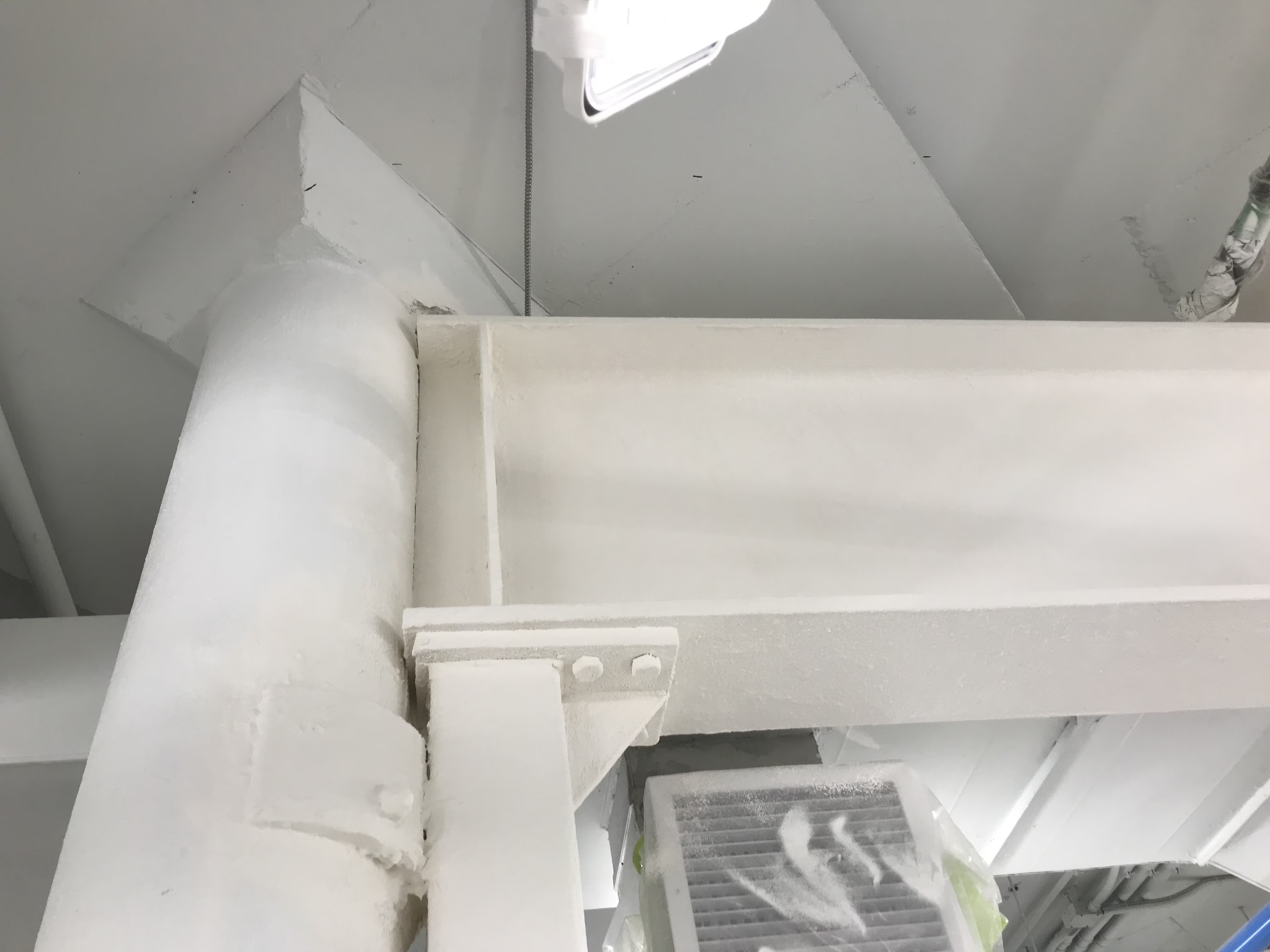
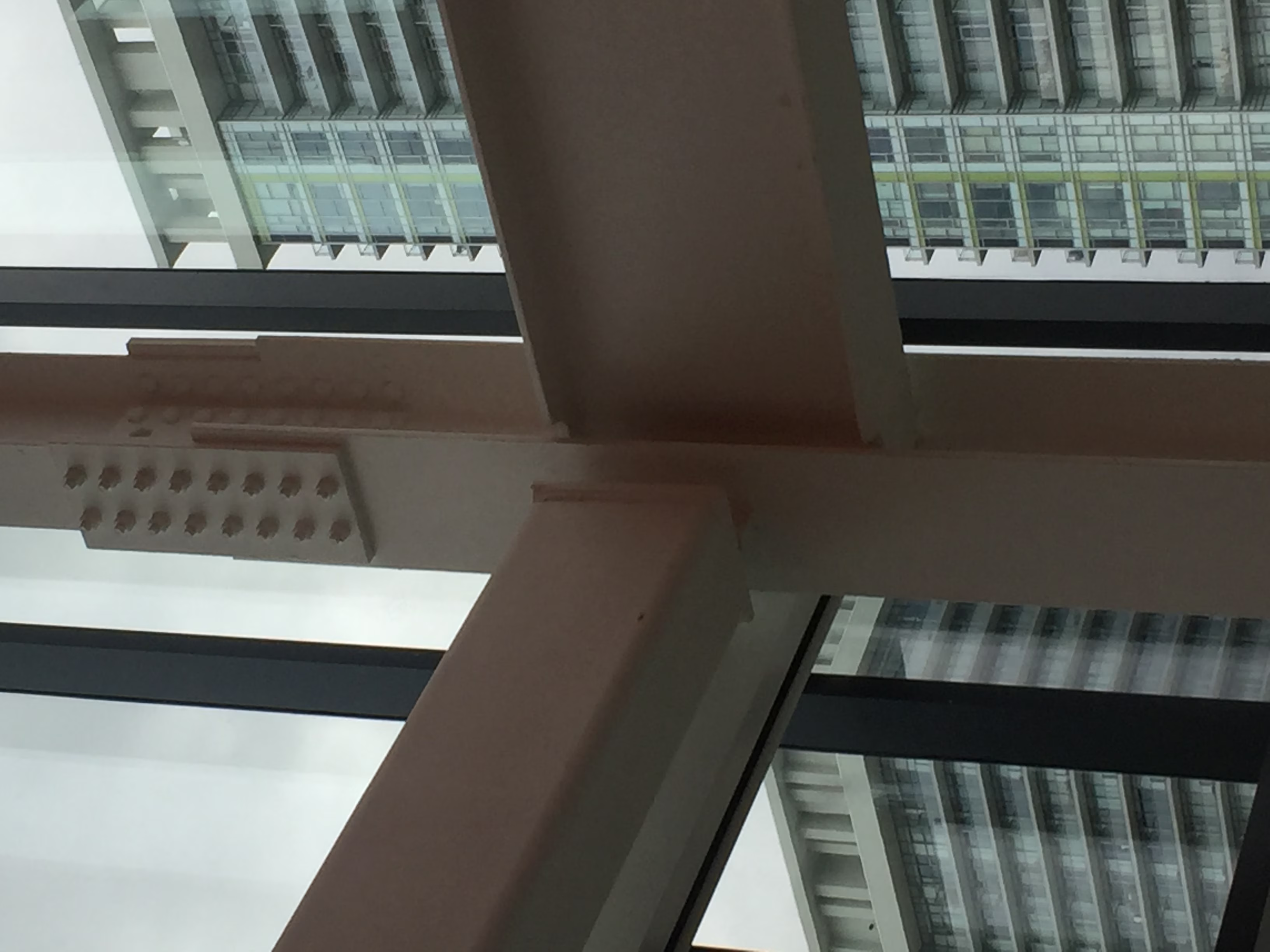
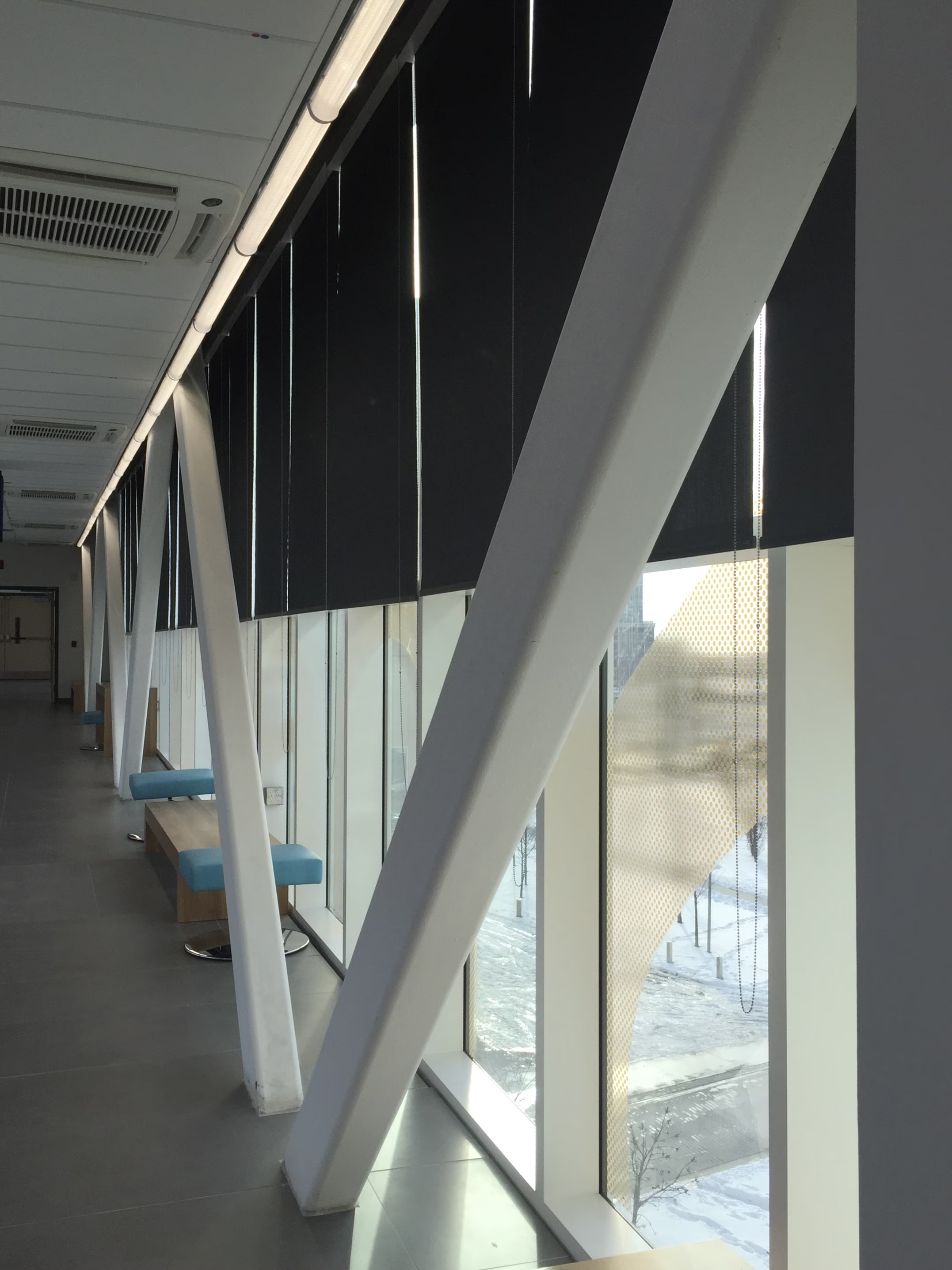
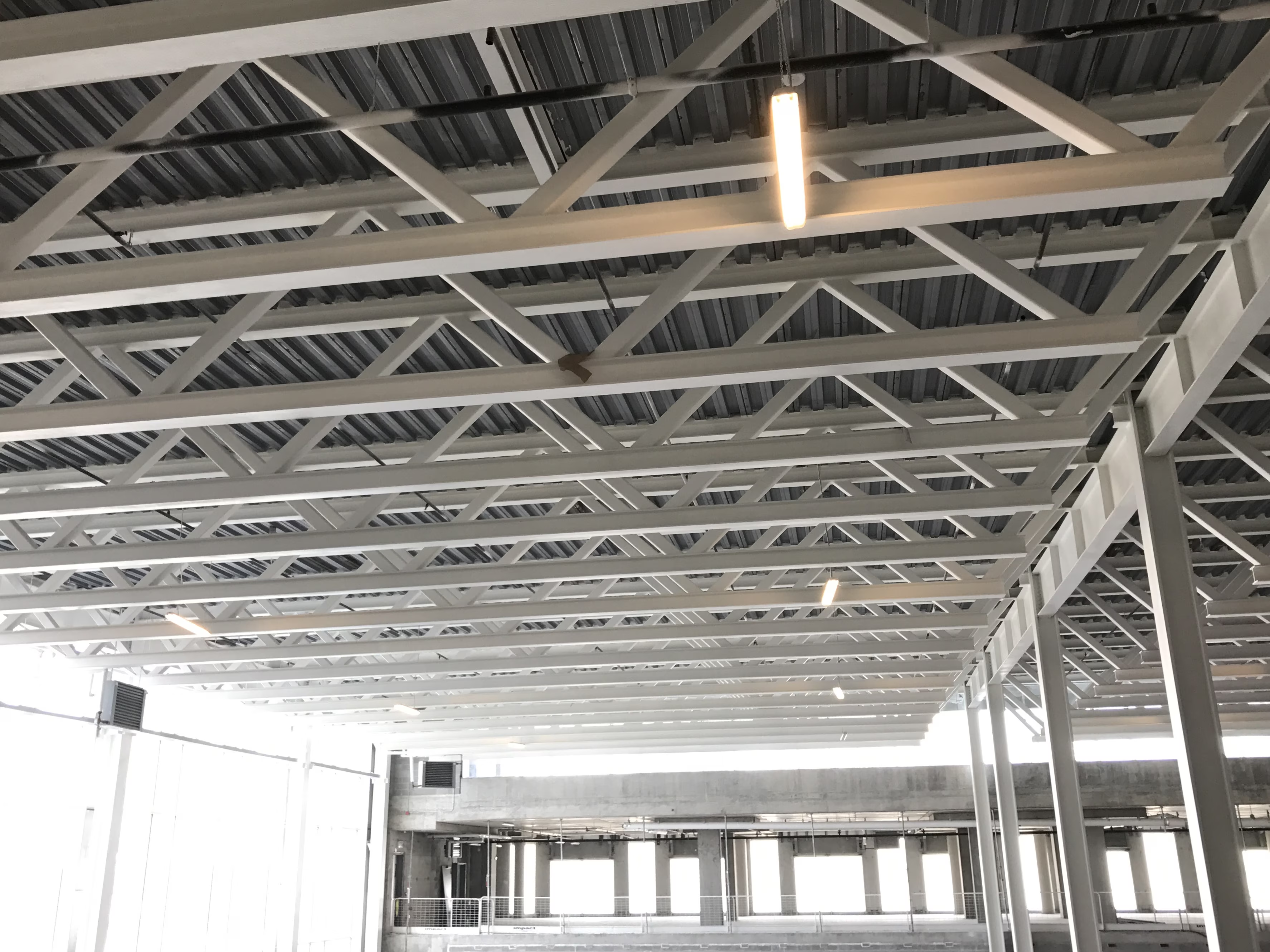
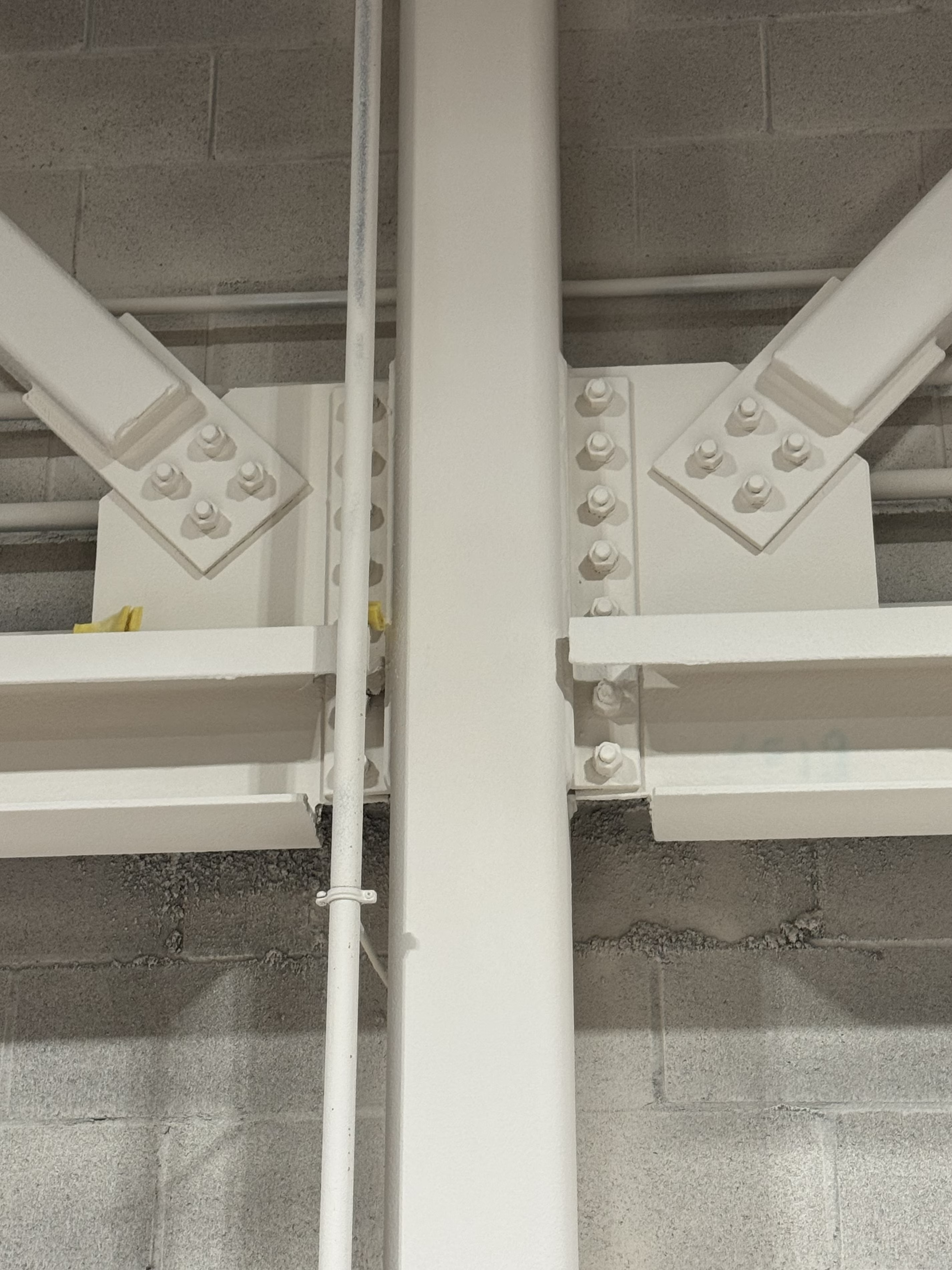
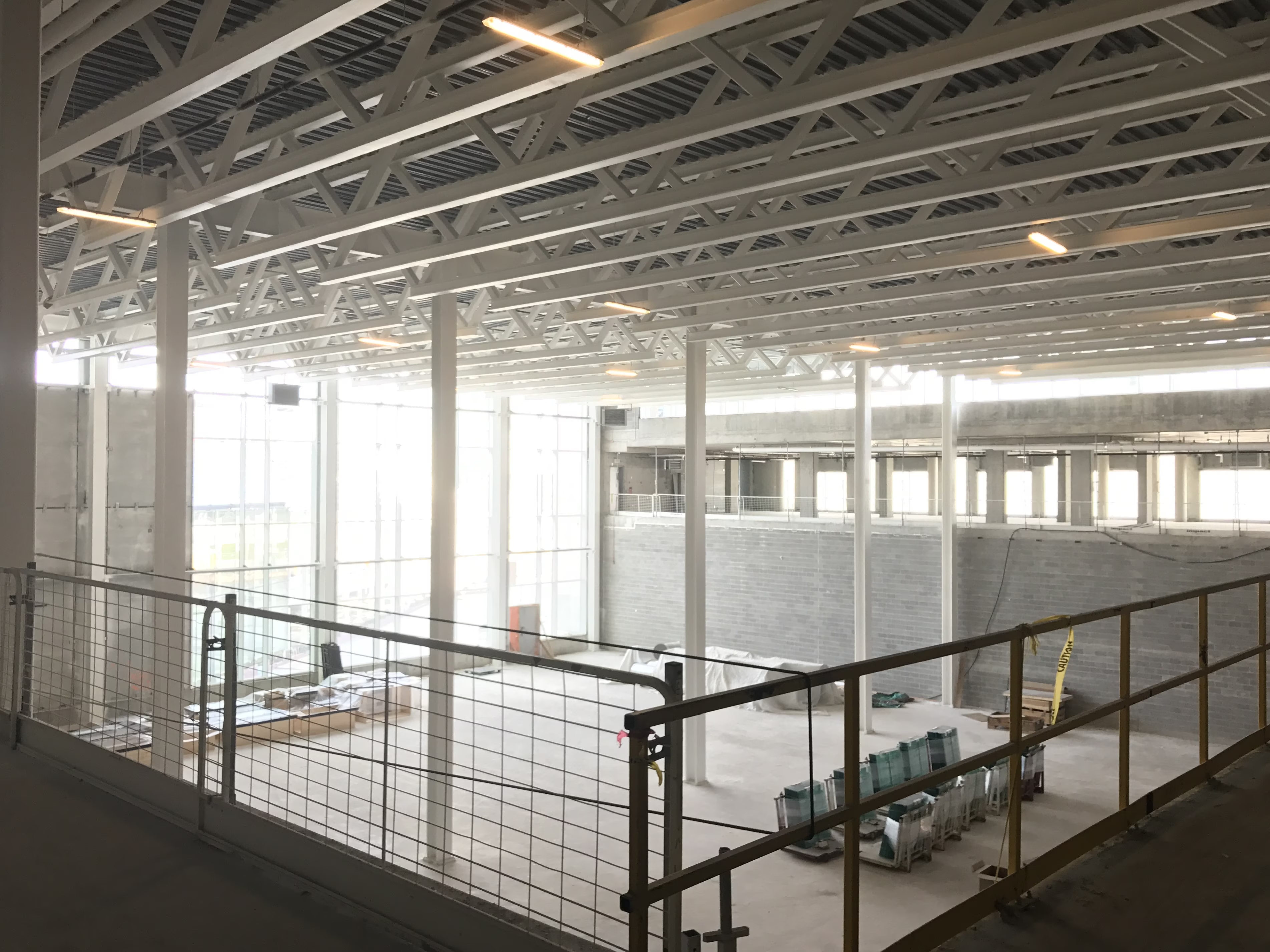
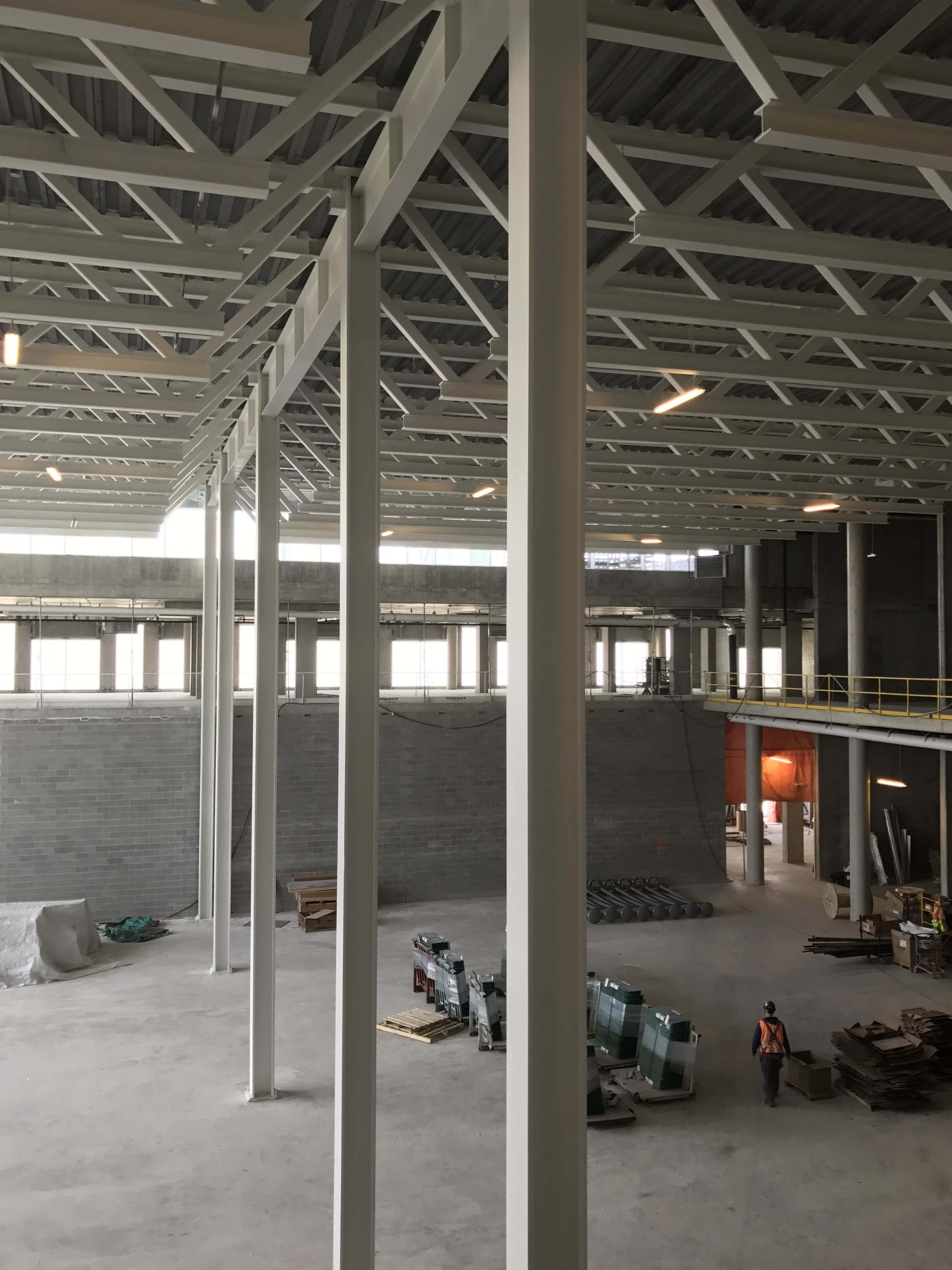
Structural Steel
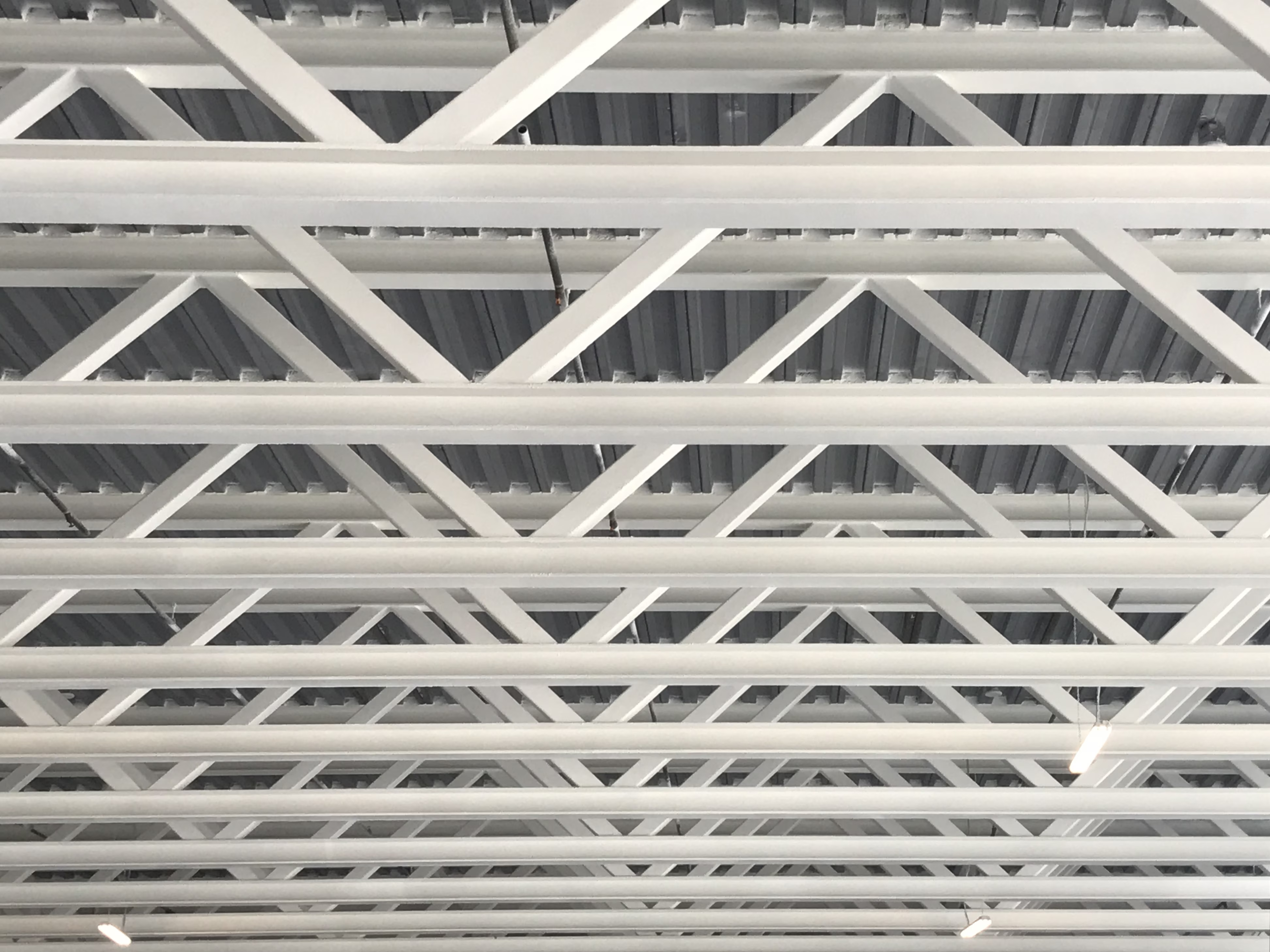
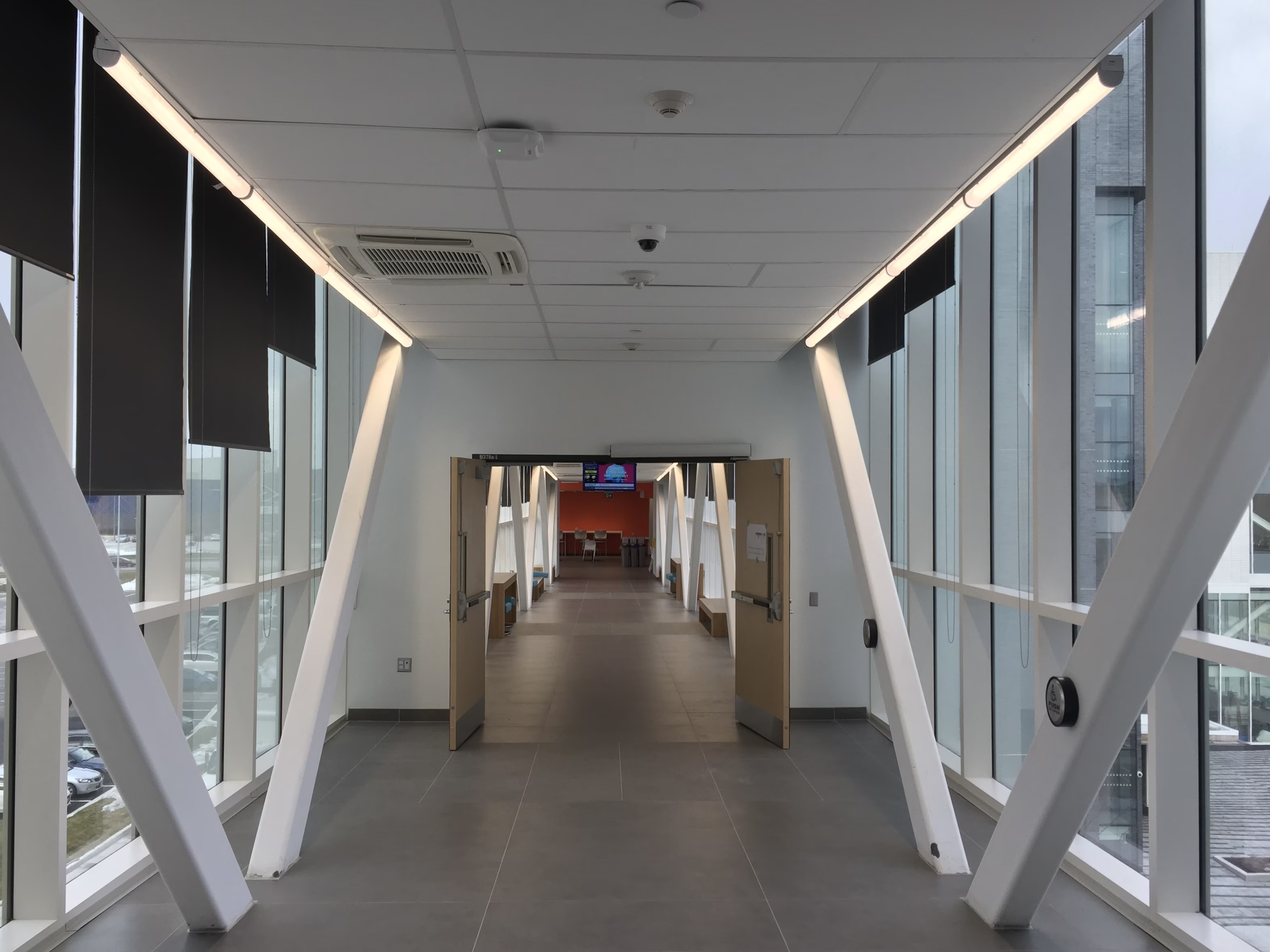
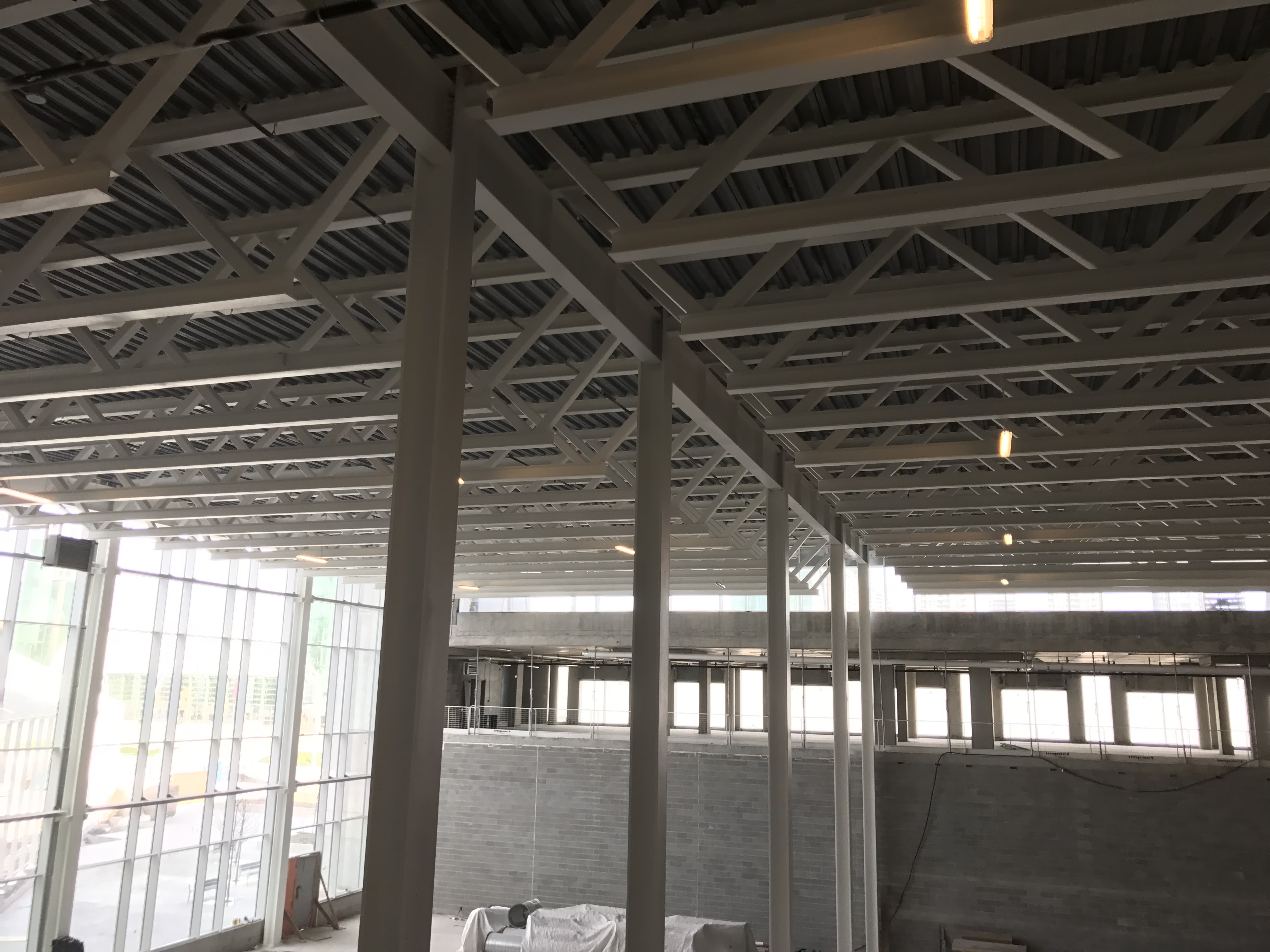
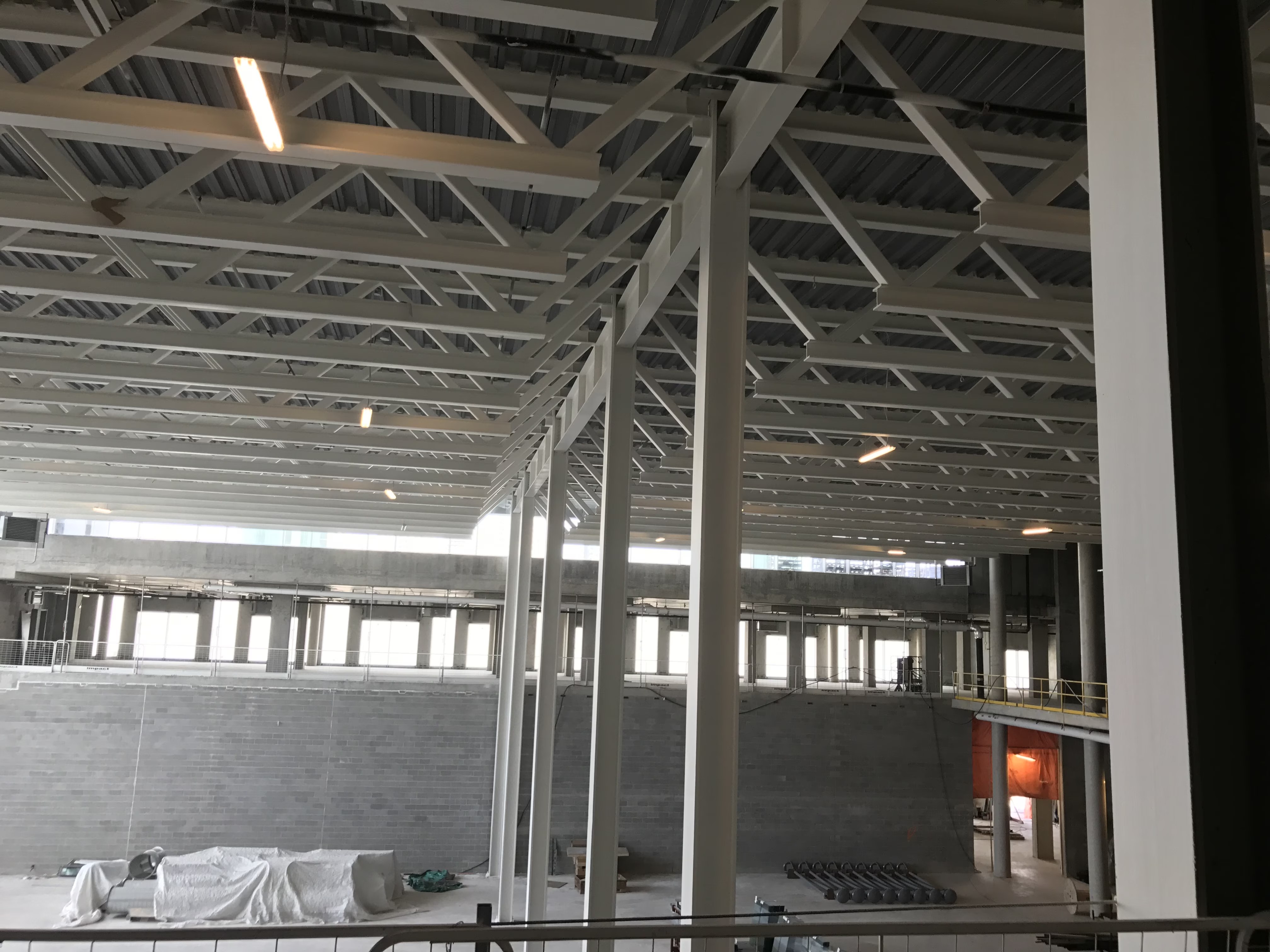
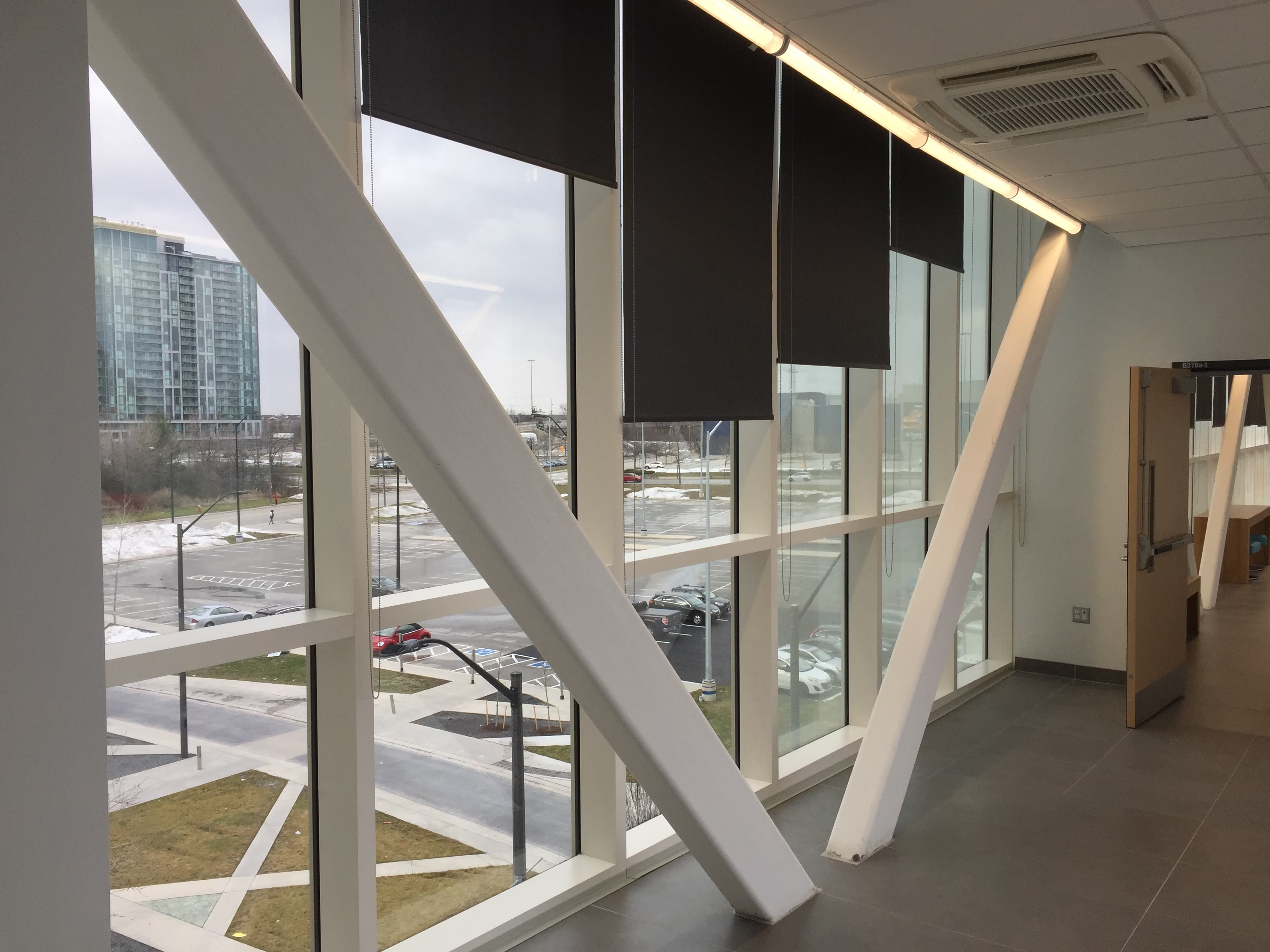
As modern design is changing, exposed structural steel is
becoming a normal architectural design feature. Intumescent
paint gives designers and architects the freedom to leave
structural steel exposed and have a creative design.
Intumescent paint achieves ratings up to 3 hours on exposed structures and can be aesthetically pleasing by its ability to be painted to any desired colour and texture.
Intumescent paint achieves ratings up to 3 hours on exposed structures and can be aesthetically pleasing by its ability to be painted to any desired colour and texture.
Thermal Barrier for Spray Foam Insulation
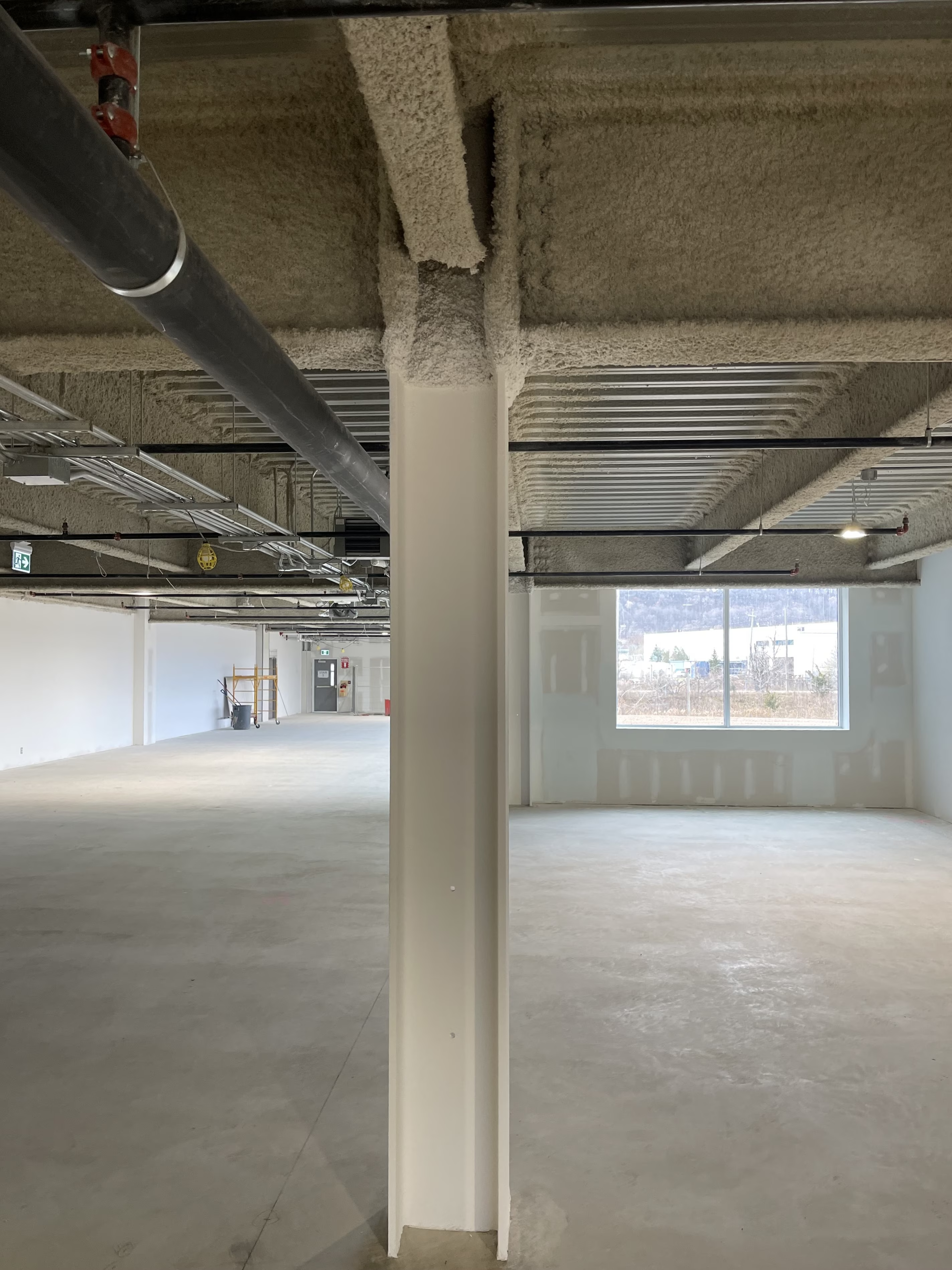
Spray foam insulation is a widely used form of insulation in
modern construction for its energy efficiency and thermal
insulating properties. However, it is highly flammable and
combustible material. If left unprotected in the event of a
fire, it can ignite, which can pose a risk to occupants and
damage to the building.
To address this risk, building codes require the use of thermal barriers to enhance fire safety. A thermal barrier is a type of material that is used to provide additional fire protection for spray foam insulation.
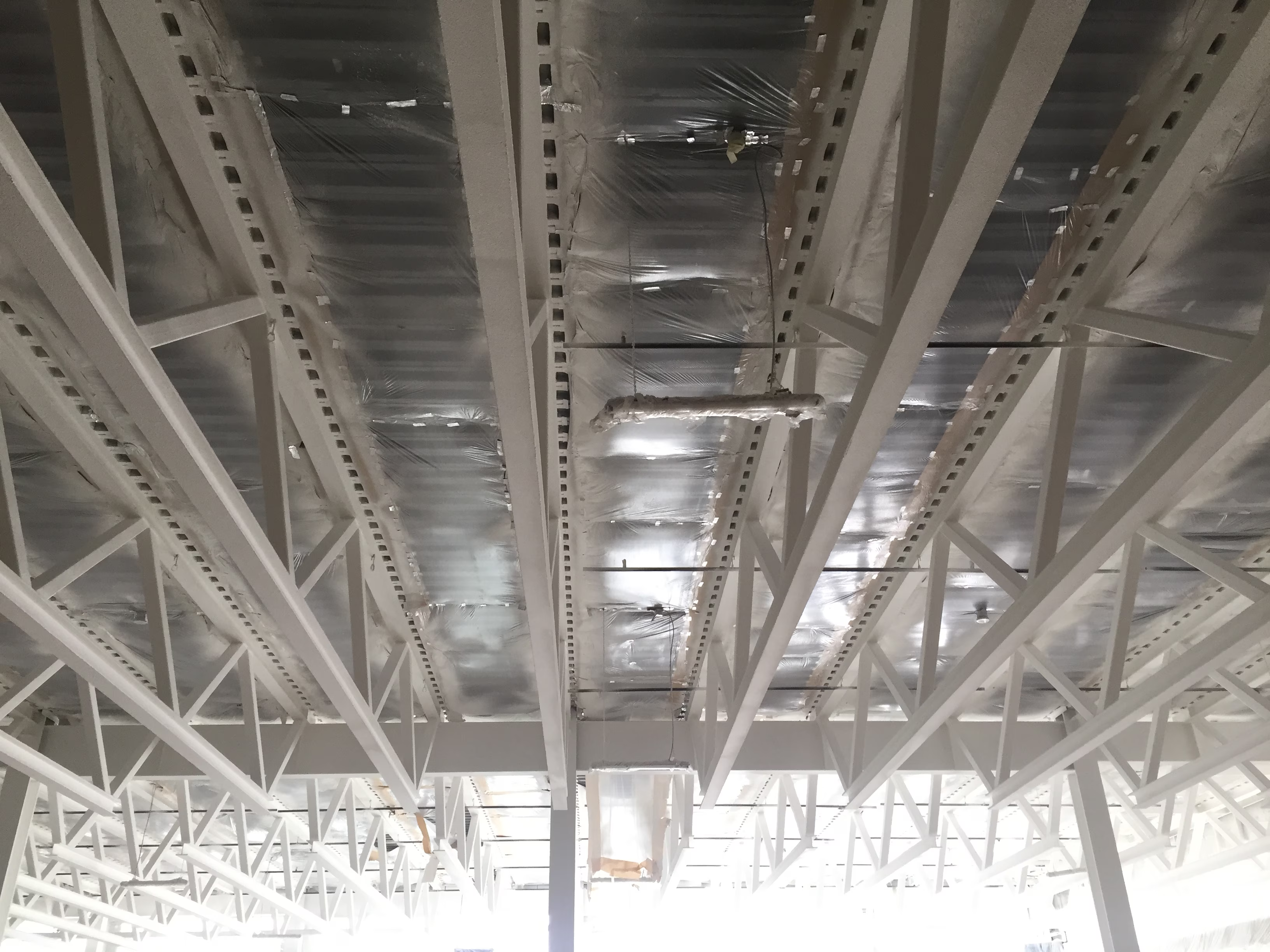
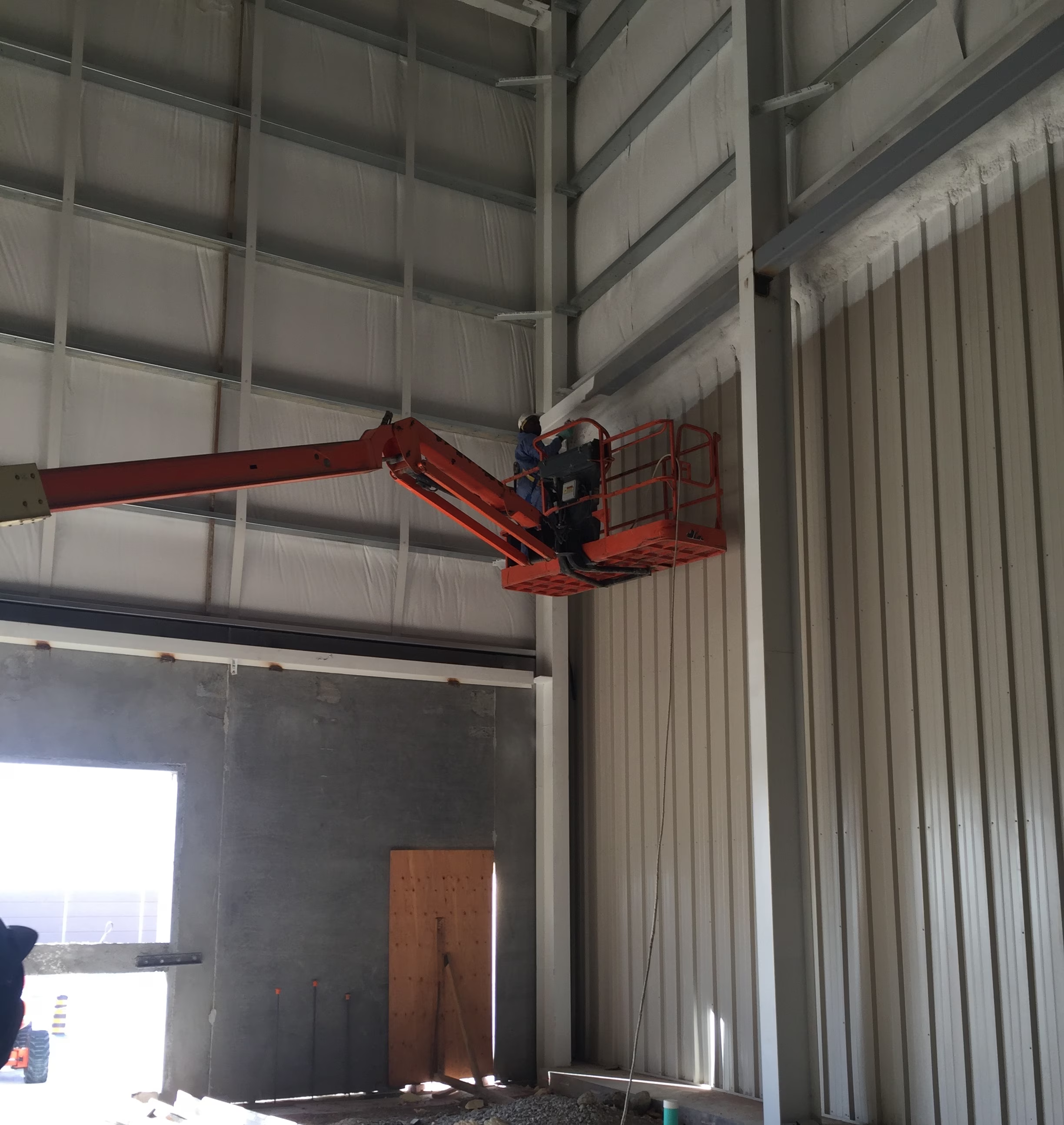
Intumescent paint can be applied over the spray foam insulation to act as a thermal barrier. When exposed to heat, the intumescent paint swells and forms a thick, insulating layer that reduces the transfer of heat to the spray foam insulation. These
materials are specifically designed to meet building code requirements for fire resistance and can be applied in a variety of thicknesses to meet the level of fire protection required.
If you are considering using intumescent paint as a thermal barrier in your construction project, we can help ensure that the product you choose meets the necessary building code requirements and provides the required level of protection.
To address this risk, building codes require the use of thermal barriers to enhance fire safety. A thermal barrier is a type of material that is used to provide additional fire protection for spray foam insulation.
Intumescent paint can be applied over the spray foam insulation to act as a thermal barrier. When exposed to heat, the intumescent paint swells and forms a thick, insulating layer that reduces the transfer of heat to the spray foam insulation. These
materials are specifically designed to meet building code requirements for fire resistance and can be applied in a variety of thicknesses to meet the level of fire protection required.
If you are considering using intumescent paint as a thermal barrier in your construction project, we can help ensure that the product you choose meets the necessary building code requirements and provides the required level of protection.
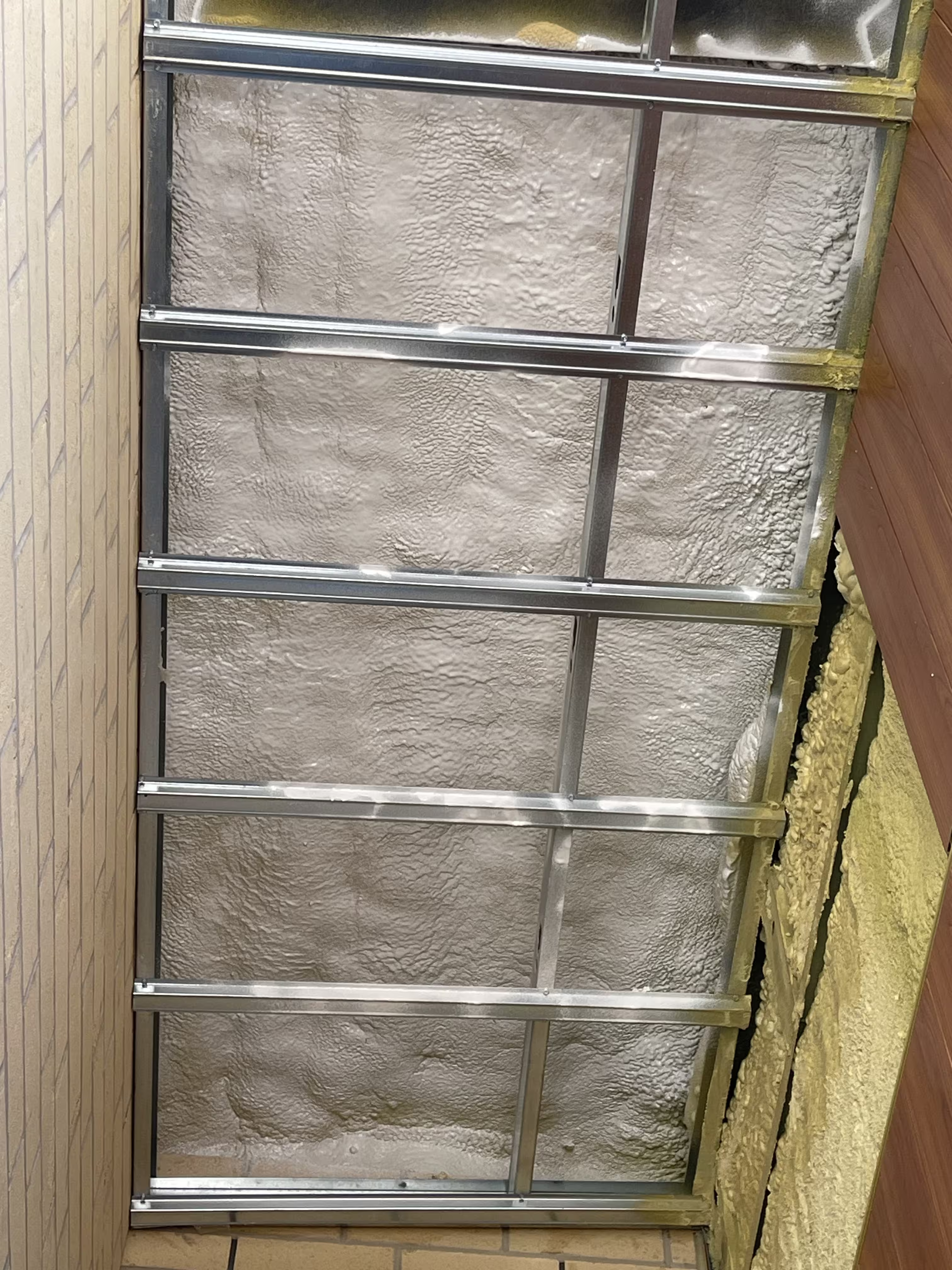
Wood
Wood, widely used as a building material in construction, is a
highly combustible material and can quickly fuel a fire, making
it a significant fire risk. Applying intumescent paint can
provide wood an additional one to two hours of extra fire
protection.
When wood is exposed to high temperatures or direct flame, the intumescent paint activates to form a protective
layer that expands and insulates the wood. The wood is protected from the fire by extending the time for the fire to reach the wood limiting structural damage and also slows down its spread to prevent it from reaching other areas of the building allowing for safer evacuation and emergency response.
Intumescent paint is suitable for use on both new, untreated wood and existing wood structures, making it a versatile option. It can be applied to a wide range of wooden elements including beams, panels, trims, and decorative finishes. Its quick
application minimises installation time and reduces disruptions to building occupants, providing both safety and convenience.
The paint is quick and makes it ideal for time-sensitive projects or retrofit applications. Its minimal disruption during application ensures that safety improvements can be made with little impact on building occupants or operations.
When wood is exposed to high temperatures or direct flame, the intumescent paint activates to form a protective
layer that expands and insulates the wood. The wood is protected from the fire by extending the time for the fire to reach the wood limiting structural damage and also slows down its spread to prevent it from reaching other areas of the building allowing for safer evacuation and emergency response.
Intumescent paint is suitable for use on both new, untreated wood and existing wood structures, making it a versatile option. It can be applied to a wide range of wooden elements including beams, panels, trims, and decorative finishes. Its quick
application minimises installation time and reduces disruptions to building occupants, providing both safety and convenience.
The paint is quick and makes it ideal for time-sensitive projects or retrofit applications. Its minimal disruption during application ensures that safety improvements can be made with little impact on building occupants or operations.
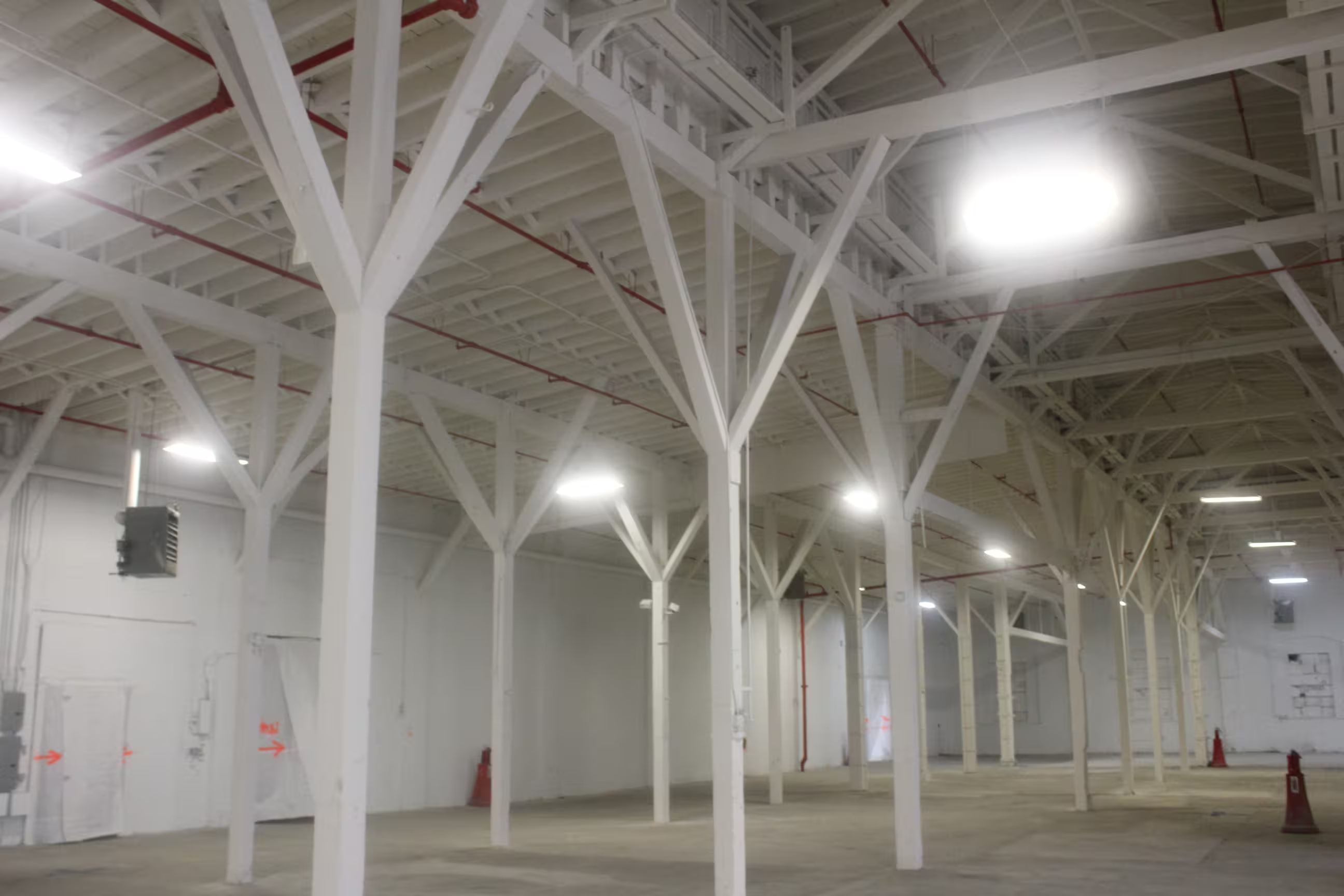
Gypsum Drywall
While gypsum drywall is inherently fire resistant, it may not
always meet the increased fire rating requirements related to
new building codes or renovation standards. Building codes or
renovations may require increasing the fire ratings in the
existing drywall.
The only option here is to change the existing drywall or add new layers of drywall to meet the rating, which can increase timelines, be labor intensive and costly.
Intumescent paint offers a cost-effective alternative that minimises disruption while meeting code compliance. Intumescent Paint applied to your existing drywall can add one to two hours of extra fire protection with no changes to the existing drywall. '
Intumescent paint can be applied directly to the surface of the existing drywall and can be finished and painted to any colour or texture.
The only option here is to change the existing drywall or add new layers of drywall to meet the rating, which can increase timelines, be labor intensive and costly.
Intumescent paint offers a cost-effective alternative that minimises disruption while meeting code compliance. Intumescent Paint applied to your existing drywall can add one to two hours of extra fire protection with no changes to the existing drywall. '
Intumescent paint can be applied directly to the surface of the existing drywall and can be finished and painted to any colour or texture.